
NOROI NIKKI MEDIA
Write it out. Let it go.
Pent-up frustration, anger with nowhere to go, quiet sadness. Noroi Nikki Media is a place to read about living with those feelings — from a slightly darker angle.
NOROPPI ZUKAN
Noroppi Zukan — All 101
Everyday frustrations turned into yokai. Find the curse that got you today.


CATEGORY
Browse by category
LATEST
Latest articles

 Folklore of curses
What Are Tsukumogami? Japan's Spirits of Old Objects, Explained
What are tsukumogami? A folklore-and-culture explanation of the Japanese belief that tools and objects gain a spirit after long years — the Tsukumogami Emaki scroll, the link to hyakki yagyo, and the memorial rites for needles and dolls. Lore only.
 Folklore of curses
What Is Kodoku? Japan's Outlawed Insect Curse, Explained
What is kodoku? A folklore-and-history explanation of the sorcery said to have reached Japan from China — the character for ko, the Han-dynasty witchcraft scandals, the Ritsuryo law that made "kodoku enmi" a capital crime, and the link to inugami possession lineages. Lore only.
 Folklore of curses
What Is a Fuyurei? Japan's Wandering Spirit vs. the Jibakurei, Explained
What is a fuyurei, the Japanese "drifting spirit"? A folklore-and-culture explanation of what it means, how it differs from a jibakurei bound to a place, the Buddhist idea of jobutsu behind both, and how to read claims that some people attract them. Lore only.
 Folklore of curses
Who Was Abe no Seimei? Japan's Most Famous Onmyoji, Explained
Who was Abe no Seimei? A history-and-folklore explanation of the real Heian-period onmyoji and the legends that grew after him — the shikigami tales, the meaning of the Seimei Kikyo pentagram, Seimei Shrine, and the Kuzunoha fox legend.
 Folklore of curses
What Is Omagatoki? Japan's Other Witching Hour at Dusk, Explained
What is omagatoki, and what time is it? A folklore-and-culture explanation of Japan's dusk "hour of meeting spirits" — the alternate writing "omagatoki, the hour of great calamity," its link to tasokare (twilight), and how it differs from ushimitsudoki. Lore only.
 Folklore of curses
What Is Kotodama? Japan's Belief in the Spirit of Words, Explained
What is kotodama? A folklore-and-culture explanation of the Japanese belief that spoken words carry spiritual power — the Man'yoshu phrase "the land where kotodama brings good fortune," norito prayers, imi-kotoba taboo words, and the link to curses. Lore only.
 Folklore of curses
What Is Kimon? Japan's Demon Gate Direction and Ura-Kimon, Explained
What is kimon, the Japanese "demon gate"? A folklore-and-culture explanation of why the northeast was shunned, its relation to ura-kimon in the southwest, the ox-and-tiger origin of the demon's horns and tiger-skin, and the kimon wards of Kyoto and Edo. Lore only.
 Folklore of curses
What Is Hyakki Yagyo? Japan's Night Parade of One Hundred Demons, Explained
What is hyakki yagyo? A folklore-and-culture explanation of Japan's night parade of demons — the tales in Konjaku Monogatari and Uji Shui Monogatari, the Muromachi picture scrolls, the link to tsukumogami, and what was said to happen if you met it. Lore only.
 Folklore of curses
What Is a Zashiki-warashi? Meaning, Lore, and Tono Monogatari
What is a zashiki-warashi? A folklore-and-culture deep dive into its meaning and the lore of northeastern Japan — the record in Kunio Yanagita's Tono Monogatari, the child-shaped being that brings a household wealth, the tradition that a house declines once it leaves, and the theories about its true nature. Not a claim that it is real.
 Emotional care
No Motivation, Can't Do Anything: Sorting It Without Blaming Yourself
You have no motivation and can't do anything, and that helplessness frustrates you. With no clear reason, you only grow more anxious. Here is how to write out what lies behind having no motivation, sort it, and feel a little lighter without self-blame.
 Folklore of curses
What Is Yaku-otoshi? How It Differs from Yaku-barai, and the Folk Practice of Letting Go of Misfortune
Yaku-otoshi is a folk practice of deliberately shedding and letting go of misfortune clinging to you. Here's how it differs from yaku-barai and yaku-yoke, its link to the "unlucky years," and the meaning behind dropping and releasing things.
 Folklore of curses
What Does the Straw Doll Curse Mean? The Folklore Behind Japan's Wara Ningyo
What does the straw doll curse (wara ningyo) mean? A folklore-and-culture explanation of the five-inch-nail legend, its link to the midnight shrine ritual, and the idea of the "effigy." Not a how-to, and not something we encourage doing.
 Folklore of curses
What Is Ushimitsudoki? What Time Is the Japanese Witching Hour? Meaning and Origins
What is ushimitsudoki, and what time is it? A folklore-and-culture explanation of Japan's "witching hour" — the name for around 2 a.m., its link to the phrase "when even the grass and trees sleep," and its connection to the ushi no koku mairi ritual. Lore only.
 Folklore of curses
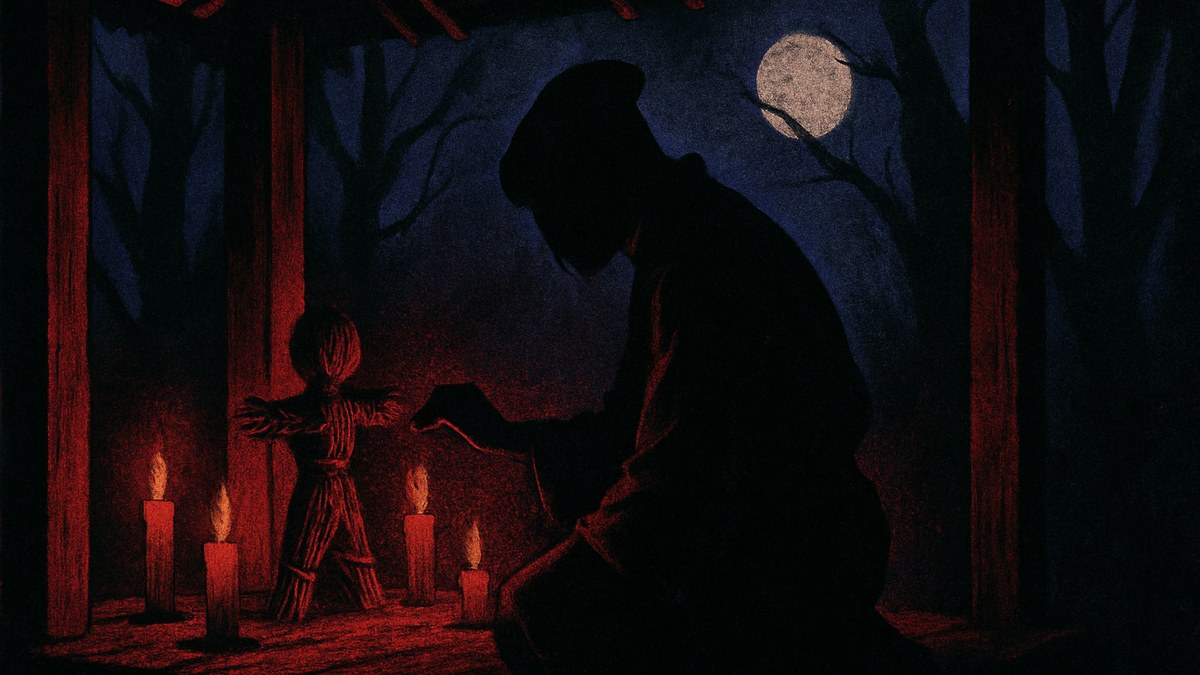
What Is Ushi no Koku Mairi? The Meaning and Origins of Japan's Midnight Curse Ritual
What is ushi no koku mairi (the hour-of-the-ox shrine visit)? A folklore-and-culture explanation of its meaning and origins — the ritual of nailing a straw doll at the witching hour, and the legend of the "curse rebound." Not a how-to, and not something we encourage doing.
 How to use
How to Use an App to Let Out Resentment — Release It Without Bottling Up
Resentment that won't fade, but throwing it at people causes friction. Here's how to choose an app where saved journal text is not posted to other users, and ways to write out what you feel.
 How to use
Is an Anonymous Diary App Safe? How to Choose One You Can Release Into
If you can write without giving your name or identity, your true feelings come out more honestly. Is an anonymous diary app really safe? Here's how to choose one you can release into, and the points for judging its anonymity.
 Folklore of curses
What Is Tatari? The Folk Meaning of the Misfortune the Japanese Have Long Feared
Tatari is an old idea that the anger of gods, spirits, or nature falls upon people as misfortune. From a folklore view, here's its meaning, its origins, its link to goryo belief, and what people were really trying to appease.
 Folklore of curses
What Is Shio Majinai? The Folklore of Salt, Purification, and Letting Go by Writing
A look at what "shio majinai" (the salt charm) is, from a folklore perspective — Japan's long tradition of seeing purifying power in salt, the modern form of the practice, and the idea of writing your worries out to let them go.
 Folklore of curses
What Is a Shikigami? The Meaning and Origins of the Onmyoji's Familiar Spirit
What is a shikigami? A folklore-and-culture explanation of the meaning and origins of the spirit familiars said to be commanded by onmyoji — their link to paper effigies (katashiro) and the legends of Abe no Seimei. Lore and culture only.
 Emotional care
You Want to Quit but Keep Enduring It — Write It Out and Sort the Feeling
You think about quitting again and again, yet you keep gritting your teeth and going to work. Why can't you move even when you're near your limit? Here is how to write out what you've bottled up, sort it, and think about your next step while protecting yourself.
 Emotional care
Post-Holiday Blues: When You Can't Face Going Back to Work, Write It Out
As a long holiday winds down, the thought of going back to work makes your mood sink. Learn why the post-holiday blues happen and how to write out your reluctance to ease it and meet the first day back a little lighter.
 Folklore of curses
What Is Onryo? The Folklore of the Vengeful Spirit the Japanese Feared and Enshrined
An onryo is the spirit of someone who died with bitterness or a grudge, believed to bring misfortune. From a folklore view, here's its meaning, famous legends, and the goryo belief that enshrined these vengeful spirits as gods.
 Folklore of curses
What Does "Onnen" Mean? The Word for a Grudge, and How Japan Learned to Calm It
Onnen, used in phrases like "steeped in onnen," names a resentment congealed deep in the heart. Here is its meaning, how it differs from urami, the goryo belief that enshrined figures like Sugawara no Michizane to calm it, the idea of "dispelling" a grudge, and a bridge to releasing resentment safely.
 Folklore of curses
What Is an Onmyoji? The Meaning and History of Japan's Yin-Yang Masters
What is an onmyoji (yin-yang master)? A folklore-and-culture explanation of the meaning and history of these court diviners of the Onmyodo tradition — the calendars, astronomy, and divination they handled, and the legends of Abe no Seimei and his shikigami. History and lore only.
 Folklore of curses
What Is Ohyakudo-mairi? The Folk Practice of Praying the Same Wish a Hundred Times
Ohyakudo-mairi is a Japanese folk practice of visiting the same shrine or temple a hundred times to make a wish. Here's its meaning, its origins, the basic form using the "hundred-times stone," and the quiet inner work behind repeating a prayer.
 Folklore of curses
What Is Oharai? The Shinto Rite of Purifying Away Defilement
What is oharai (Shinto purification)? A folklore explanation of its meaning and origins, how it differs from yakubarai and o-kiyome, and the flow of the shrine rite — the idea of cleansing away defilement and misfortune.
 Folklore of curses
What Is an Ofuda? The Meaning of the Shrine Tablet and How to Enshrine It
What is an ofuda (the Shinto shrine tablet)? A folklore explanation of its meaning and types, how it differs from omamori and gofu, how to enshrine it properly on a household altar, and the custom of renewing it each year.
 Folklore of curses
Types of Curses in Japan: A Folklore Guide to Japanese Curses
What are the types of curses in Japanese folklore? A clear guide from folklore and legend — the sympathetic and contagious principles behind all magic, curses using tools like straw dolls, curses of words and kotodama, curses of spirits such as ikiryo and onryo, and kodoku and possession-lineage lore. Not a how-to for cursing anyone.
 Folklore of curses
What Are the Legends of Curse Words? Kotodama Belief and Folklore Explained
A folklore look at the legends surrounding curse words — the kotodama belief that words hold power, why "noroi" (cursing) and "inori" (praying) are of one root, and the idea of writing out negative words to let them go. This is not an article that recommends acting on any of it.
 How to use
How to Start a Curse Journal — Your First Step and How to Use It
Want to try a curse journal but unsure what or how to write first? Learn how to start Noroi Nikki, where saved entries are not public to other users, from setup to your first-day entry and tips for keeping it up.
 Folklore of curses
What Is Noroi-gaeshi? The Meaning of Japan's 'Curse Rebound' Folklore
What is noroi-gaeshi (the curse rebound)? A folklore-and-culture explanation of its meaning, the ushi no koku mairi legend that "if you're seen, it returns to you," and why it has long been feared. Not a how-to, and not something we encourage doing.
 How to use
When a Diary Won't Stick — Fixes to Escape the Three-Day Streak
A diary not sticking isn't weak willpower. Here are fixes by reason it won't stick, and concrete tricks to escape the three-day streak, all in a form you can try starting today.
 Emotional care
When Not Wanting to Do Anything Hurts: Facing a Heart That Won't Move
You don't want to do anything, you have no energy, and that version of yourself is painful. Being unable to move isn't laziness — it may be your heart hitting the brakes. Here is how to write out your state without blaming yourself and recover a little at a time.
 Emotional care
Why You Can't Stop Crying: Writing Out Tears You Can't Explain
In some sudden moment the tears just won't stop. With no clear reason, it leaves even you bewildered. Here is how to write out the causes behind unstoppable tears, sort them, and settle a little without blaming yourself.
 Emotional care
I'm So Tired: Writing to Sort It When Your Heart Is at Its Limit
You feel done with everything, your heart at its limit. Unable to name why, it weighs all the heavier. Here is how to write out what lies behind the feeling of being so tired, sort it, and feel a little lighter without blaming yourself.
 Folklore of curses
What Is Majinai? The Meaning, Roots, and Origins of Japanese Charms
What is majinai, the Japanese word for a charm or spell? A folklore-and-history explanation of its meaning and roots — the etymology of majinau and maji, the difference between protective charms and harmful curses, and everyday spells with salt, teru teru bozu, and words. Not a how-to for harming anyone.
 Folklore of curses
What Is Black Magic? Its Difference from White Magic, and Its History as Culture
Black magic, familiar from films and stories, is described as magic meant to harm others — contrasted with white magic, aimed at healing and protection. Here is what the concept means, why the black/white line is blurry, its history through grimoires and witch hunts, and parallels worldwide (this is not a guide to practicing it).
 Folklore of curses
What Is Kuji? The Meaning and Origins of Japan's Nine-Syllable Protection Ritual
What is kuji (the nine syllables)? A folklore-and-culture explanation of the meaning and origins of the nine words "rin pyo to sha kai jin retsu zai zen" — the kuji-kiri hand ritual, its protective purpose, and its roots in Shugendo. Lore and culture only.
 How to use
How to Write a Journal That Sorts Your Feelings — 3 Steps to a Lighter Mind
Your mind spins and won't settle. At times like that, writing your feelings into a journal helps sort them out. Here's how to write a journal that sorts your feelings, in three concrete steps: facts, emotions, and realizations.
 Folklore of curses
What Is a Katashiro? Japan's Purification Custom of Entrusting Defilement to a Substitute
The katashiro, familiar from the Great Purification at Shinto shrines, is a paper or doll in human shape onto which you transfer your own defilement before letting it flow away. Here is what a katashiro is, how it differs from a yorishiro, its history back to clay figurines, its use in the Great Purification, nademono and nagashi-bina, and how it differs from the straw doll.
 How to use
For Anyone With No Place to Release Emotions — A Safe Way to Let Them Out
Do you have no place to release your emotions, so you bottle them up in your chest? Here's a rundown of what people, social media, and apps are each suited for, and how to build a place to let emotions out without directing them at someone else.
 Folklore of curses
What Is Juso? The Meaning, Roots, and History of the Japanese Curse
What is juso, the Japanese word for a formal curse? A folklore-and-history explanation of its meaning, roots, and reading, how it differs from noroi, magic, and chobuku, the enmi and kodoku crimes in the ritsuryo codes, and onmyodo curses at the Heian court. Not a how-to for cursing anyone.
 Folklore of curses
What Is Jujutsu (Magic)? The Meaning of the Word and Its Types Explained
What is jujutsu (magic/sorcery)? A folklore-and-culture explanation of the word's meaning, types such as homeopathic and contagious magic, and its ties to Japan's onmyodo and prayer traditions. Not a how-to, and not something we encourage doing.
 Folklore of curses
What Does "Jubaku" Mean? Origin of the Word for a Curse That Binds
"Bound by my parents," "bound by my past" — the Japanese word jubaku appears in everyday speech. Originally it meant binding a person through sorcery. Here is its meaning, the origin of 呪 and 縛, the kotodama belief behind it, parallels in world magic, and how it came to name an invisible, psychological hold.
 Folklore of curses
What Is Jorei? Spirit Exorcism, How It Differs from Oharai, and the Folklore Behind It
What is jorei (spirit exorcism)? A folklore-and-culture explanation of its meaning, how it differs from oharai and jorei-as-pacification, and how spirits and curses have been understood in Shinto, Buddhism, and folk belief. Not an endorsement of any practitioner or rite.
 Folklore of curses
What Is a Jibakurei? Meaning, Traits, and How It Differs From a Wandering Spirit
What is a jibakurei (earthbound spirit)? A folklore-and-culture deep dive into its meaning, the lore of a spirit "bound to the land," how it differs from wandering and background spirits, the modern haunted-spot narrative, and why people feel a will can linger in a place. Not a claim that spirits are real.
 Emotional care
Why Life Feels So Hard: Sorting the Causes to Feel a Little Lighter
You can't quite name the reason, yet life always feels hard to live. The causes are never just one. Here is how to write out what lies behind that difficulty, sort it, and feel a little lighter without blaming yourself.
 Folklore of curses
What Is an Ikiryo? The Living-Spirit Legend Depicted Even in The Tale of Genji
A folklore look at what an ikiryo (living spirit) is — the notion that a living person's intense thoughts reach another, the story of Rokujo no Miyasudokoro, and the idea of writing out feelings too heavy to hold and letting them go.
 Folklore of curses
What Is Hyoui? Meaning, Lore, and the Fox Possession and Living Spirit
What is hyoui (spirit possession)? A folklore-and-culture deep dive into its meaning and lore — the difference between "tsuki" and "mochi" possession, Japanese traditions such as fox possession and the living spirit, and divine possession and trance cultures around the world. Not a claim that spirits are real.
 How to use
The Benefits of a Private Diary and How to Use One Safely
A diary you post on social media and one you do not publish to other users can feel very different. Explore the benefits of private writing and the device and account precautions that matter.
 How to use
A Free App Is Plenty for Venting — How to Choose One Without Spending
You don't need to pay to vent your frustrations. Here are the differences between free venting-app types, how to judge which free ones you can use with confidence, and easy-to-keep-up ways to use them, all from a spend-nothing angle.
 Folklore of curses
What Is Goryo Shinko? Japan's Belief in Pacifying Vengeful Spirits
What is goryo shinko, the Japanese belief in appeasing vengeful spirits? A folklore-and-history explanation of how the resentment of those who died unjust deaths was enshrined and turned into protective gods — from the 863 goryoe at Shinsen-en and the eight goryo to Prince Sawara, Sugawara no Michizane, and the Gion Festival.
 Folklore of curses
What Is a Gofu? Japanese Protective Amulets and How They Differ from Omamori
What is a gofu (Japanese protective talisman)? A folklore-and-culture explanation of its meaning, how it differs from omamori and ofuda, and its role in Shinto, Buddhism, and onmyodo — the idea of guarding oneself and warding off misfortune.
 Emotional care
When You Can't Push Yourself Anymore: Sorting the Feeling Without Self-Blame
You think you have to try harder, yet you just can't push yourself. That version of you feels painful, and you end up blaming yourself even more. Here is how to write out what lies behind not being able to try, sort it, and feel a little lighter without self-blame.
 Folklore of curses
What Is an Enkiri Shrine? The Meaning and History of Severing Bad Ties
A folklore look at what an enkiri (bond-severing) shrine is — the meaning of praying to cut bad ties, beliefs around Yasui Konpira-gu and the Enkiri Enoki, why "cutting" and "binding" are two sides of one coin, and how to sort out the wish to let go.
 Folklore of curses
What Is an Akuryo? Meaning, Origins, and How It Differs From a Good Spirit
What is an akuryo (evil spirit)? A folklore-and-culture deep dive into its meaning and origins — how it differs from a good spirit, evil-spirit beliefs from Christian demonology to shamanism, and Japan's onryo, tatari, goryo faith, and possessing-spirit traditions. Not a claim that spirits are real.
 Emotional care
Overworked and Feeling Empty? Set the Worn-Down Feeling Down in a Journal
The office is empty near the last train; the walk home is deserted. Worn out from endless overtime, an emptiness suddenly hits you. Here's how to own that overwork emptiness — writing it out and setting it down — instead of denying it.
 Emotional care
Overwhelmed by Guilt — Set Down What You Carry by Writing
It feels like it's all your fault, and the guilt is about to crush you. For anyone frozen by excessive self-blame, here is how to write out what you carry and set it down bit by bit — plus where to turn when the pain drags on.
 Emotional care
Racing Thoughts at Night That Won't Stop? A Way to Write and Empty Your Head to Sleep
The moment you lie down, the day's mistakes and tomorrow's worries flood in and you can't sleep. Why do thoughts race at night? Here's how to honor the bedtime thought loop instead of denying it — writing your head's contents onto paper, letting them go, and drifting off, little by little.
 Emotional care
Waking at Night Feeling Anxious: Gentle Bedside Writing Care
You wake in the middle of the night, and in the dark your worries swell until you can't sleep. Here's a gentle self-care practice — writing a few lines at your bedside — to hold the anxiety of night waking and ease you back toward sleep.
 Emotional care
Suspecting Your Partner Is Cheating? Write the Racing Thoughts to Settle Them
Their phone, their late nights — the suspicion won't leave your head. Checking brings no relief, and you hate yourself for doubting. Here's how to honor the rumination of cheating suspicion instead of denying it — writing it in a space you do not share with the person involved, taking distance, and settling a little.
 Emotional care
Don't Want to Go to Work in the Morning? Write the Heaviness Out and Take One Step
From the moment you wake, you don't want to go to work. Your body feels like lead and you can't get out of bed. Here's how to ease that morning dread by writing the feeling out — and turn it into one step toward the door.
 Emotional care
You Give and Give but No One Thanks You? Write the Unappreciated Feeling Down
You do so much, yet get no thanks and are taken for granted. When feeling unappreciated wears you down, here is how to face the wish for a return and safely let the swallowed resentment go.
 Emotional care
Can't Be Genuinely Happy for a Friend's Success? Write the Mixed Feeling and Own It
It's your dear friend's good news, yet envy aches deep down. You want to be glad but can't, and guilt swells. Here's how to own the tangle of friendship and envy — writing it out instead of denying it — and sort it through.
 Emotional care
No Friends and Feeling Lonely? Write It Down Before You Compare
You realize there's no one you keep in touch with. Seeing people surrounded by friends online, you feel left behind and anxious. Here's how to write out that fear, sort it, and stop being ruled by the number of friends you have.
 Emotional care
Grief After Losing a Loved One. Writing to Remember and Mourn
The grief of losing a loved one is not something you have to force yourself over. Here is how writing your unhealed feelings in a journal can help you remember the person and slowly come to terms with the loss, plus where to turn when it feels too heavy.
 Emotional care
How to Stop Stress Eating: Write Your Feelings Down Instead of Reaching for Food
You're not even hungry, yet you find yourself reaching for something to eat. Here's what's behind stress eating, and how to put a pause — writing your feelings down before the urge — so you don't escape into food.
 Emotional care
How to Relieve Stress — Simple, Free Things You Can Do Alone Right Now
When the tension won't let up, you want relief in the moment. Here are practical ways to relieve stress — moving your body, using your voice, changing your setting, and writing it out — all free, all doable on your own, tonight. Plus what to try when nothing seems to work.
 Emotional care
A Free Stress Relief App — Write and Feel Lighter
You don't have to pay to relieve stress. Here's how game-style, meditation-style, and writing-style apps differ, and how writing out your feelings can lighten your mind at no cost — with an app you can start for free.
 Emotional care
Mornings When Stress Makes You Nauseous: Self-Care by Letting Feelings Out on Paper
On the morning of an important day your stomach churns and you feel sick. Here's how to live with stress-induced nausea — ways to calm the body, plus self-care that lets the feelings behind it out onto paper.
 Emotional care
What Are the Signs You've Hit Your Stress Limit? Writing to Notice Your Inner Voice
When you push too hard, you can miss that you've already reached your limit. Here are the signs of stress overload that show up in your mind, body, and behavior, and a self-check you can do by writing your inner voice down to notice them early.
 Emotional care
Stress Brain Fog and a Heavy Head: How to Lighten the Haze by Writing It Out
Your head feels heavy from the morning and your thoughts move as if through fog. Here's how to ease that stress-induced heaviness and mental haze by putting what's in your head into words.
 Emotional care
Nights When You Can't Feel Your Own Worth — Write the Inner Voice and Check It
Some nights it aches to feel "it makes no difference whether I exist." For anyone who can't sense their own worth, here is how to write the inner voice, gain a little distance, and separate worth from "being useful."
 Emotional care
Jealous of People's Lives on Instagram? Close the App Before You Compare, and Write
Travel, weddings, success announcements scrolling past your feed. The glossy posts on social media sting with envy. Here's how to close the app before you sink into comparison, and write out the envy to gain some distance.
 Emotional care
Exhausted From Comparing Yourself on Social Media? Write the Envy Down
Every time you open your phone, you compare yourself to someone's picture-perfect posts and sink. When social media comparison wears you out, here is how to understand the mechanism and write the envy out to reclaim your distance.
 Emotional care
Anxious About the Future and Can't Sleep? Empty Your Head Onto Paper
You get into bed and worries about the future flood in, and sleep won't come. On the nights your head fills with unanswerable worries, here is how to write your head empty onto paper and fall asleep a little easier.
 Emotional care
I'm Too Jealous and I Hate It: How to Tame Envy by Writing It Out
You keep getting jealous of friends and partners, and you hate yourself for being so envious. Instead of trying to erase the trait, here's how to write your jealousy out and tame it.
 Emotional care
Can't Get Over a Breakup: Writing Out the Longing to Let It Go, Little by Little
You've broken up, but your heart hasn't caught up, and only the memories keep coming back. Here's how to gently hold the longing after a breakup and, instead of forcing yourself to forget, let it go little by little through writing.
 Emotional care
For the Worrier Who's Always Exhausted: How to Write Your Worries Down and Let Them Go
You imagine things that haven't happened, over and over, and wear yourself out for nothing. Here's a concrete practice for putting some distance between you and your overthinking — writing your worries down and setting them outside your head.
 Emotional care
You Want to Quit but Can't Say It — Write the Truth Out and Clear Your Head
You want to quit, yet you can't raise it with your boss — and you're not even sure you truly want to. Here is how to write out the looping doubt and honest feelings, sort them, and get closer to your own answer.
 Emotional care
Can't Stop Thinking About a Work Mistake? Write the Self-Blame Out and Move On
A mistake at work that's supposedly over keeps replaying at night, and you can't stop blaming yourself. Here's how to break the rumination loop of "why did I do that" by writing the feeling out.
 Emotional care
Jealous of People Who Seem Happy? Write the Dark Feeling Out
The smiling posts on your feed, the couples on the street. You can't just be glad for them, and you hate yourself for the envy. Here's how to own that dark feeling toward others' happiness — writing it out instead of denying it — and let it go.
 Emotional care
Why Highly Sensitive People Get Drained by Relationships — and How Writing Protects You
You pick up on every mood and every shift in the room, and somehow you end up exhausted. Here's how the drain works for highly sensitive people (HSPs) in relationships, and how writing the swallowed feelings out helps protect you.
 Emotional care
When Being Sensitive Makes Life Hard: Writing Your Feelings to Feel Lighter, Without Self-Blame
You get worn out many times over, sink over trivial things, and feel drained just by living. For those for whom sensitivity makes life hard, here's how to stop blaming yourself and write your feelings to feel a little lighter.
 Emotional care
Can't Say No to Invitations? Write Out the Truth You Held Back
You don't feel like going, but you can't say no, and you regret it once you're there. When the stress of never declining wears you down, here is how to face the guilt and safely write out the truth you swallowed.
 Emotional care
When Tears Come for No Reason. Writing Out a Nameless Sadness
Nothing sad has happened, yet tears well up out of nowhere. Here's a gentle look at what tears with no clear cause might mean, and how writing out a nameless sadness can help you hold it.
 Emotional care
Feeling Misunderstood and Alone — Write Out the Wish to Be Understood
You talk, yet somehow no one truly gets it. You want to be understood, but it never lands. For anyone aching with this misunderstood loneliness, here's how to write out that unmet feeling, sort it, and first become your own listener.
 Emotional care
When Anger From Unfair Treatment Won't Fade, You're Allowed to Scream Inside
You were treated unfairly, couldn't answer back, and the anger won't die down. Here's how to handle rage that has nowhere to go, with a way to vent it safely and finally let it go.
 Emotional care
Alone on the Holidays and Feeling Empty? Close the App and Write
A long holiday finally comes, but there are no plans, and a day at home only deepens the emptiness. Social media fills with cheerful posts, and you sink further. Here's how to write out the loneliness and emptiness of the break and quietly reclaim your alone time.
 Emotional care
Anxious Attachment in Relationships: Calm the Fear You Can't Say Out Loud by Writing It Down
A late reply is all it takes to spiral, and when you finally voice it you're told you're "too much." Here's why relationship anxiety grows so heavy, and how to calm it by writing it in a journal before you send it to your partner.
 Emotional care
Can't Move Past Pet Loss Guilt — Grieve by Writing Your Feelings Down
The "I could have done more" regret over the companion you lost won't fade. Here is how to grieve the sorrow and self-blame of pet loss little by little through writing, and sort out your feelings — with a note on where to turn when grief drags on.
 Emotional care
Unspoken Frustration With Your Partner: Easing the Feelings You've Bottled Up by Writing Them Down
Afraid of a fight, you keep swallowing your frustration with your partner. Here's how to ease those bottled-up feelings in a journal before they explode one day, and how to shape the way you bring them up.
 Emotional care
When Your Parents Don't Understand You: Write Your True Feelings and Protect Yourself
You work up the courage to open up, but it doesn't reach your parents. The pain of not being understood isn't small. Here's how to own that pain — writing your true feelings out to sort them — plus how to let go of expectation.
 Emotional care
Overbearing Parents Are Stressing You Out? Write the Words You Swallowed and Find Distance
Even after moving out, your parents comment on every choice, and you feel guilty for finding it annoying. Here's how to unpack that over-involvement and write the words you swallowed in a journal to gain some inner distance.
 Emotional care
When Envy Over a Parent's Favoritism Won't Fade: Writing Out the Old Feelings
A sibling was always favored while you were put second. The envy over a parent's favoritism won't fade even as an adult. Here's how to write out the old feelings you've carried since childhood and sort them through.
 Emotional care
Drained by Sensitivity to Sound and Light: Writing Out Sensory-Overload Days to Recover
The buzz of crowds, flickering fluorescent lights, phone notification chimes. For those left wiped out by sensitivity to sound and light, here's a self-care method of writing out overstimulating days to recover.
 Emotional care
Feeling Lonely in a Crowd — Put the Sense of Not Fitting Into Words
At a party or gathering, everyone's laughing, yet you alone feel slightly out of place. You're in the circle, but your heart is on its own. For anyone puzzled by loneliness in a crowd, here's how to write that "off-beat" feeling into words and quietly let it go.
 Emotional care
I Hate How Short-Tempered I Am. Rethinking It Through a Writing Habit
You want to stop being short-tempered and quick to snap. Before you decide temper is just your nature, try making your anger patterns visible through a record, and change without blaming yourself.
 Emotional care
When Money Anxiety Won't Go Away: Move the Worry Onto Paper and Lighten It
Thinking about savings and the future makes your chest tighten, and you can't sleep. Here's how to write money anxiety down, sort it into "what I can do now" and "what I can't change now," and set it outside your head to feel lighter.
 Emotional care
Relationship Anxiety Is Wearing You Out: Write the Worry Down and Let It Go
Was that remark a sign they dislike you? Was the curt reply because they're angry? For anyone worn out by relationship anxiety that won't let their mind rest, here's how to write the worry down, separate assumption from fact, and let it go.
 Emotional care
Can't Keep a Journal Habit? How to Keep Writing Even If You Always Quit
You buy a fresh notebook, write for three days, then stop. That isn't weak willpower; you simply started with a setup that's hard to sustain. Here are the real reasons a journal habit fails, and how to keep writing even when you're busy or tired.
 Emotional care
What Should I Write in a Journal? Starter Templates to Vent Your Feelings
You want to keep a journal, but the moment you open it your hand freezes with nothing to write. Here are starter templates you can use today and a set of questions to vent your feelings — with examples so you can write even a single line on empty days.
 Emotional care
How to Choose a Diary App You Can Stick To — Easy Enough Even If You Always Quit
You install a diary app and always give up after three days. Not sticking to it isn't weak willpower — it may be the app you chose. Here's how to pick an easy diary app you can actually keep, with concrete checkpoints to avoid giving up.
 Emotional care
The Sunday Scaries: Easing the Dread Before Work by Writing It Out
Even a good Sunday can turn heavy by evening, when tomorrow's work starts pressing on your chest. Here's how to ease the Sunday scaries — that end-of-weekend dread — by writing your anxiety out.
 Emotional care
A Three-Minute Bedtime Journaling Habit: Let Go of the Day and Sleep
You get into bed but your mind is wide awake. A three-minute bedtime journaling habit helps on nights like these. Here's how to write out the feelings and worries you've stored up, empty your head, and sleep — plus how to keep the habit going.
 Emotional care
Bedtime Regret That Keeps You Awake: Write Out the Self-Criticism and Let It Go
The moment you lie down, today's mistakes and the words you wish you hadn't said start replaying, and self-blame keeps you awake. Here's how a few minutes of writing can break the bedtime regret loop so you don't carry it into tomorrow.
 Emotional care
Is It Okay to Write Negative Thoughts in a Journal? Care That Doesn't Bottle Up
Do you hesitate, thinking "writing complaints or resentment will only drag me down further"? Putting negative feelings into a journal is, in fact, sound emotional care. Here's why it's okay, and how to write it without a bad aftertaste.
 Emotional care
The Sleep-Deprivation Irritability Loop: Write Out the Night's Feelings to Settle Them
Too little sleep makes you snap at small things, and the irritation keeps you awake again. Here's a self-care practice — writing out the night's heated feelings — to break the loop, with a look at research on how sleep loss affects emotion.
 Emotional care
You Want to Cry but Can't. Writing to Loosen Stuck Emotions
You want to cry but no tears come. Sealing your feelings away too tightly can leave the heart frozen and unable to cry. Here is a gentle way to write out stuck emotions, loosen them little by little, and let the tears return naturally.
 Emotional care
A Persistent Feeling of Emptiness. Writing to See the Hole in Your Heart
Nothing fills you and a feeling of emptiness lingers. Here is how to write out and examine the hole that has opened in your heart, hints for facing the void, and when to consider reaching out if it drags on.
 Emotional care
When You Can't Calm Down After Something Made You Furious
You keep replaying the thing that annoyed you and can't calm down when angry. Here are in-the-moment steps to settle the irritation and a simple way to write it out so it doesn't follow you into the night.
 Emotional care
How to Put Feelings Into Words: A Simple Method for When You Can't Name What's Wrong
Something feels off, but you can't tell what it is. This guide walks you through how to put vague feelings into words — why emotions are so hard to name, what changes when you do, and four practical techniques to try in a space for your own writing.
 Emotional care
Worn Out by Condescending People? Answer Back in Your Head and Let It Go
They compete with you every time you meet and quietly talk down to you. When condescending people wear you out, here is how to let it slide without taking the bait, and how to safely release the frustration you swallowed.
 Emotional care
Want to Become Mentally Stronger? Build the Habit of Writing to Steady Your Heart
You sink over small things and can't shake off people's words. Do you wish you could become mentally stronger? Rather than forcing yourself to toughen up, here's how the habit of writing steadies your heart, and why that accumulation builds real resilience.
 Emotional care
How to Use a Mental Health Tracking App — Make Your Emotional Waves Visible
The days when you feel off seem to come around in cycles. You only see the pattern once you record it. Here's how to use a mental health tracking app to make your emotional waves visible, and why logging the feeling itself — not just a score — matters.
 Emotional care
Can't Relax on Your Days Off? Write Out What's in Your Head to Rest Your Brain
It's finally your day off, yet your body rests while your mind won't. Here's why stress lingers even on days off, and concrete ways to write out the work and worries circling in your head so your brain can actually rest.
 Emotional care
Raised Being Compared to Your Siblings? Write the Feelings You Buried
'Your brother could do it.' 'Be more like your sister.' The pain of being compared to siblings doesn't fade in adulthood. Here's how to honor that wound instead of denying it — writing it for yourself, and letting it go, little by little.
 Emotional care
The Inferiority Complex From Comparing Yourself — Write Envy and Self-Attack Apart
Every time you open social media, everyone else seems ahead and you sink. For anyone hurting from comparison, here is how to write your envy and your self-attack apart, and step back from the comparison swamp.
 Emotional care
Regret Keeping You Up at Night? Write Down the Past You Can't Redo and Set It Aside
The moment you lie down, that failure or that one thing you said comes back, and regret keeps you awake. Here's how to write the past you can't redo onto the page and set it down, on nights you keep replaying it.
 Emotional care
How to Recover When You're Mentally Exhausted: Self-Care by Writing Feelings Out
Your body has rested, but your heart stays tired. You have no drive to do anything. As a way to recover from mental exhaustion, here's self-care that rests your head by writing feelings out — with how to spot the signs of fatigue and when it's worth reaching out.
 Emotional care
How to Do an Emotional Detox: Writing Out What You've Bottled Up
You swallow what you want to say and let the murkiness build up as the days pass. Here's how to do an emotional detox — writing bottled-up feelings out and letting them drain — from why feelings accumulate to a simple routine you can start tonight, alone.
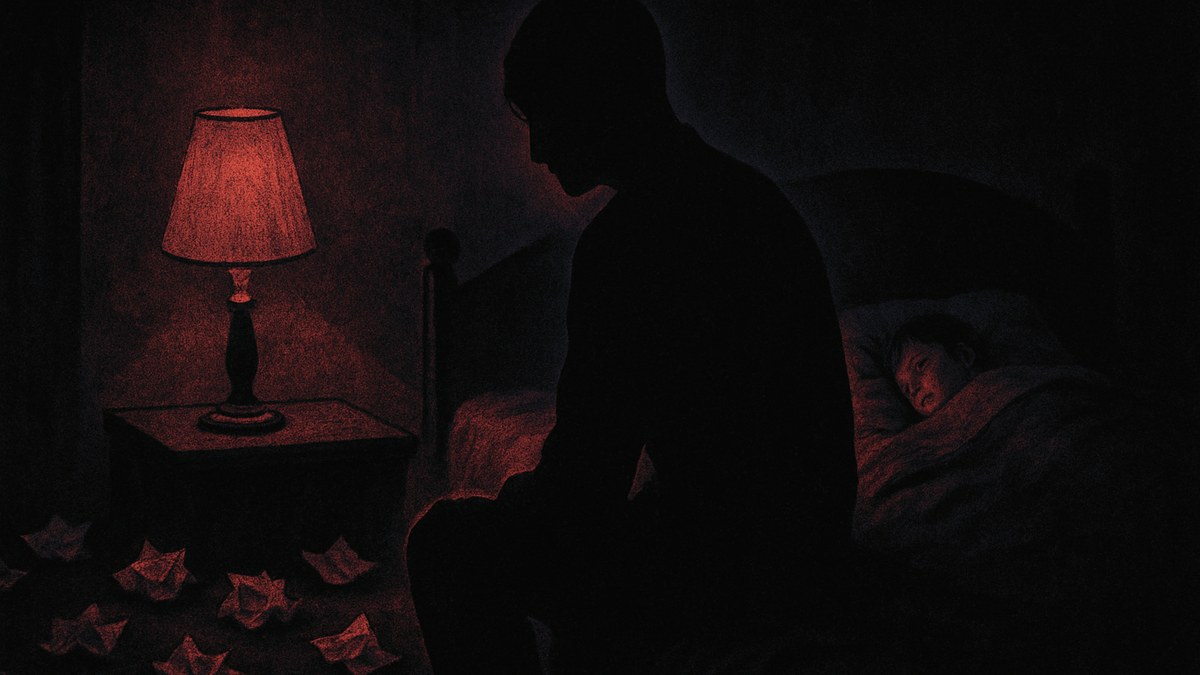 Emotional care
Guilt After Yelling at Your Kids — Easing a Parent's Self-Blame by Writing
You lost your temper again, and now, watching your child sleep, you're drowning in self-blame. Here is a way to write out a parent's guilt so you can stop punishing yourself and face tomorrow with a little more room to breathe.
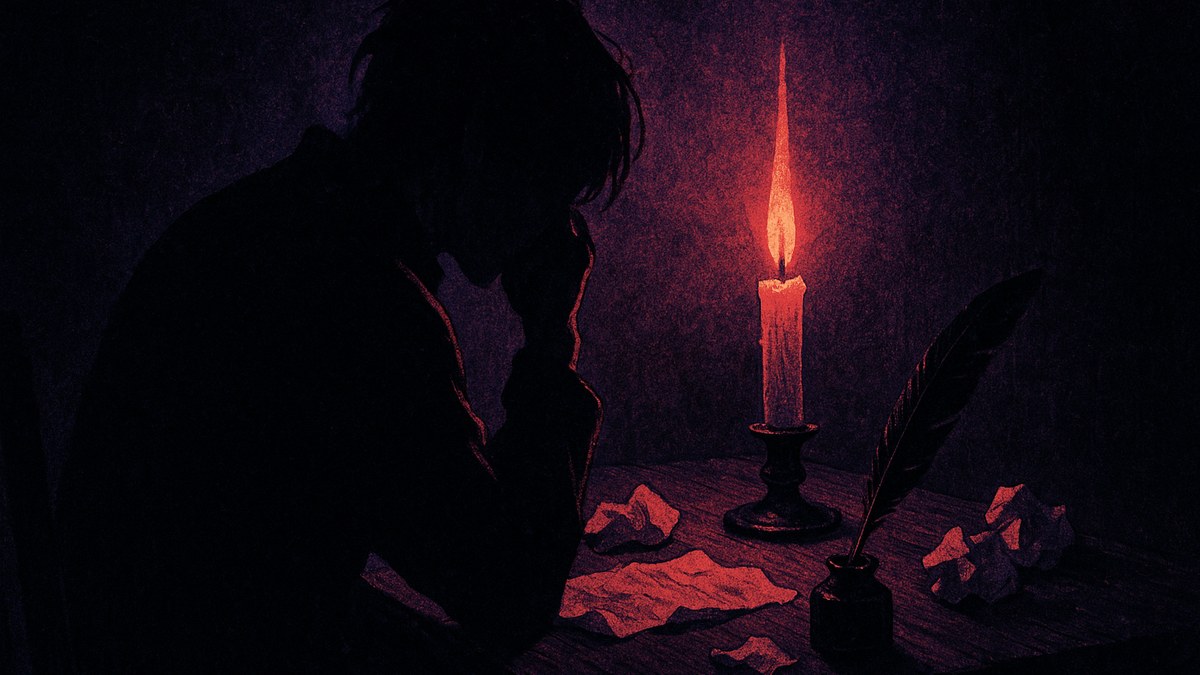 Emotional care
The Stress You Don't Notice Piling Up: Writing to Run a Check on Your Mind
You think you're fine, yet somehow you're worn out before you know it. Here's how to catch stress that builds without your noticing by writing to run a check on your inner state.
 Emotional care
Left on Read and Spiraling: Writing to Distract Yourself While You Wait for a Reply
The message is read, but no reply comes, and you invent reasons until the unease won't stop. Here's how to ease the anxiety of waiting for a reply and distract yourself by writing before you interrogate your partner.
 Emotional care
Overthinking Health Anxiety: How to Write Your Way Out of the Loop
A small bodily sensation nags at you and you can't stop searching; you overthink "what if it's something serious" and can't sleep. Here's how to write health anxiety down, split fact from imagination, and stop the loop — without medical claims, and with signs it's worth seeing someone.
 Emotional care
I Keep Taking My Anger Out on My Family. How to Let It Go Instead
You bottle up frustration all day, then snap at the people you love most. If you want to stop taking anger out on your family, here is how to let the anger go before it lands on them, and why it happens in the first place.
 Emotional care
Can't Be Honest With Your Family? Writing Down What You Could Not Say
It's your family, the people closest to you, who you somehow can't be honest with. Don't want to worry them, feel they won't understand — here's how to use a private journal as a place to vent those swallowed feelings.
 Emotional care
Unrequited Love Is Painful and You Want to Let Go. Write It Out and Sort It
Wanting to give up on a one-sided love you can't give up on quietly wears you down. Here is how to write the out-of-reach feelings onto paper, sort them, and slowly let go.
 Emotional care
What Are the Benefits of Emotion Journaling? How Writing Lightens the Heart
Why does emotion journaling lighten the heart? Here's a clear, non-absolute look at the benefits writing is said to bring — easing rumination, labeling feelings — alongside the psychological mechanisms discussed in research.
 Emotional care
What's the Best Mood Journal App? How to Choose One You Can Vent Into
You want to keep an emotion journal, but there are too many apps to choose from. Here's how to choose a mood journal app you can safely vent into — the criteria that matter, like privacy and staying-power — plus Noroi Nikki, where you can write negative feelings just as they are.
 Emotional care
When You Can't Control Your Emotions — Write First, Then Step Back
You snapped and said too much, or the tears just won't stop. Everyone gets swallowed by emotion sometimes. Here's how to write and create distance instead of bottling feelings up when you can't control your emotions, and the psychology behind why it works.
 Emotional care
Nowhere to Let the Sadness Out. A Journal Where You Can Cry Alone
You're aching with sadness, yet you can't confide in anyone and end up carrying it alone. Here's a gentle look at what to do with sadness that has nowhere to go, and how to use a journal as a place to cry on your own.
 Emotional care
Caregiver Frustration and Guilt: Let the Unsayable Truth Escape Into a Diary
You snap during caregiving, then punish yourself for it afterward. Does getting frustrated make you a cold person? Here's how to honor the raw truth of caregiver burnout instead of denying it — writing it in a space you do not share with the person involved, and stepping back from the guilt loop.
 Emotional care
You Hate Your Boss but Can't Say It — Scrawl the Truth Out in Private
Unreasonable orders, a domineering tone. You're furious at your boss, but their position keeps you from talking back. Here is one way to write out that anger without preparing your words for an audience.
 Emotional care
How to Start Journaling — A Beginner's Guide for When You Don't Know What to Write
You open the notebook, but nothing comes and the pen just hovers. This step-by-step guide covers how to start journaling, simple writing templates, how to keep the habit going, and the real benefits of emotional journaling.
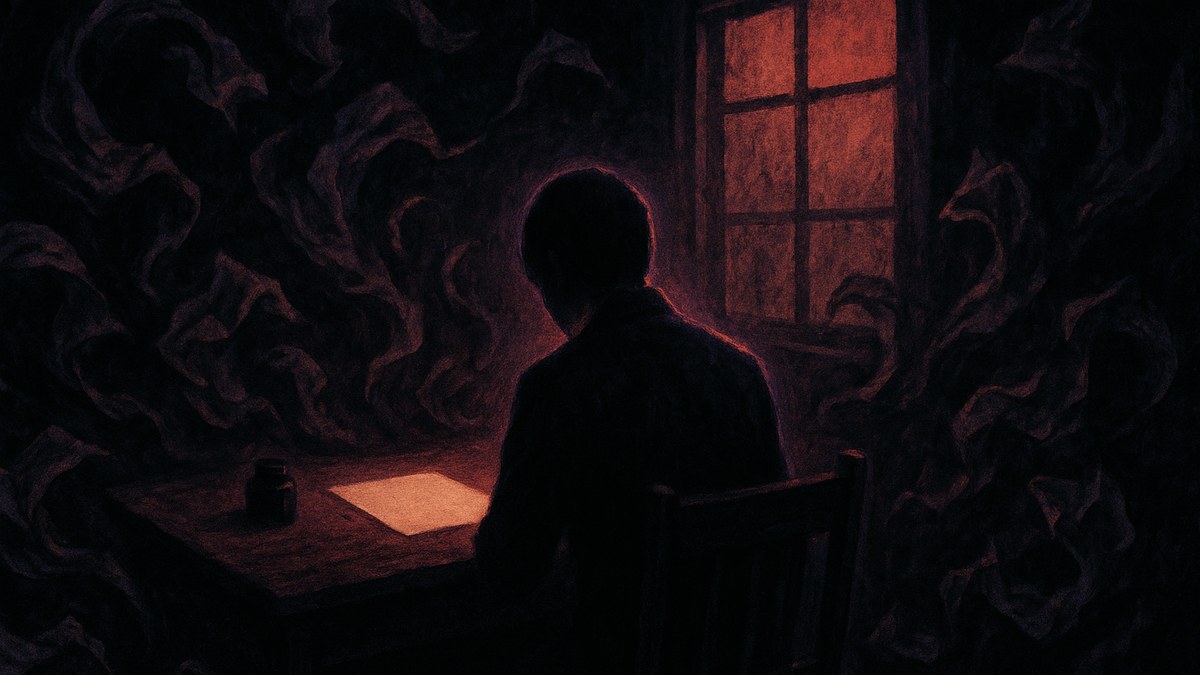 Emotional care
Negative Self-Talk Won't Stop. Write the Attack in Your Head Into View
When negative self-talk won't stop, your head runs an automatic attack on you. Here is how to write those thoughts onto paper, make them visible, and observe them objectively.
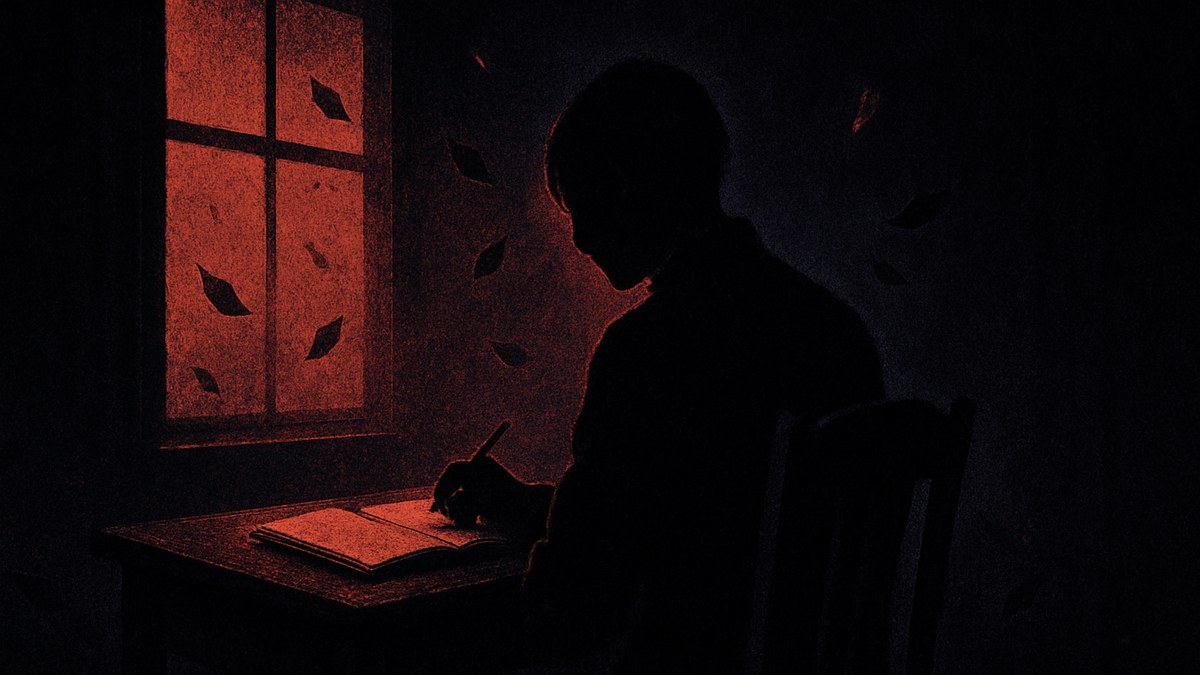 Emotional care
How to Make Time to Face Your Own Emotions and Notice What You Really Feel
The days rush by so full that you can't tell what you actually feel anymore. Here's how to make time to face your own emotions through writing — from why we lose touch with ourselves, to a few-minute prompt practice for noticing your true feelings.
 Emotional care
No Confidence in Yourself? Write Down What You Managed and Stack It Up
Whatever comes your way, you think "it's hopeless for someone like me" and can't take the first step. For anyone worn down by having no confidence, here is how to write down what you managed, stack up small evidence, and grow confidence bit by bit.
 Emotional care
I Hate Myself and It Hurts. Write the Blaming Words Out of Your Head
When you hate yourself and it hurts, the words that blame you never stop in your head. Here is a self-care way to write those words onto paper, set them outside you, and keep distance from self-loathing.
 Emotional care
Why Do I Cry When I'm Angry? Making Sense of the Tears
You're furious, yet the tears won't stop, and it leaves you confused. Here's a gentle look at why anger brings on tears, and how writing out the feeling underneath can help you settle.
 Emotional care
Suppressed Anger Shows Up in Your Body. How to Let It Out Instead
Keep swallowing anger and it can surface as headaches, tension, stomach trouble, or sleepless nights. Rather than treating restraint as a virtue, here is how to release anger before it builds up, and when to consider seeing a doctor.
 Emotional care
Regret Over Things Left Unsaid — Write Them Down Even Now
The words you couldn't say back then still catch in your chest. Here is how to write out regret over things left unsaid to someone you can no longer reach, and give your feelings a sense of closure even when the past can't be redone.
 Emotional care
For the HSP Who Tires Easily. Write Out an Over-Sensed Day and Let It Go
Tiring more easily than others as an HSP doesn't mean you're weak. Here is a self-care habit for writing out the day's over-absorbed stimulation to reset, so you can hold onto your sensitive self without wearing down.
 Emotional care
Can't Take a Compliment? Write Down the Contrary Voice and Look at It
When praised, you deflect — "they're just being polite," "they don't know the real me." For anyone who blames themselves for not accepting praise, here is how to write out that contrary reflex, look at it, and slowly learn to take a compliment.
 Emotional care
Lonely at Night: How to Sit With the Feeling and Light It Up in Writing
The moment you turn off the light, a cold loneliness rushes in. Here's how to sit with that feeling without blaming yourself, and a writing practice to ease the loneliness of nights alone.
 Emotional care
Caring Too Much What Others Think Is Exhausting — Write It Down and Loosen Its Grip
You're always on guard, monitoring how you come across to everyone. For anyone worn out by other people's judgment, here is how to write out the "being watched" feeling, loosen it, and get back to your own compass.
 Emotional care
Absorbing Other People's Emotions: Writing Out What You Carry to Let It Go
Someone's bad mood nearby is enough to weigh you down. For those who absorb other people's emotions, here's how to write out and separate their feelings from yours, and let go of what you've been carrying.
 Emotional care
Exhausted From People-Pleasing: Venting the Honest Feelings You Swallowed in a Journal
You accommodate everyone, always put others first, and come home drained. Here's how to unpack that people-pleasing fatigue and vent the honest feelings you've swallowed in a journal to get yourself back.
 Emotional care
How to Check a Diary App’s Privacy, Device Lock, and Sharing Controls
A device lock, an app-specific lock, and the audience for saved entries are different things. Learn what to check, using Noroi Nikki’s optional sharing and AI features as examples.
 Emotional care
When You Want to Vent but Can't Say It — How to Let It Out Without Hurting Anyone
You can't say it out loud, but bottling it up hurts too. That bind is familiar to everyone. Here's how to avoid both the cost of holding it in and the risk of dumping it on someone — by writing without posting your feelings to others.
 Emotional care
You Want an App to Vent Frustrations — Let It Out Without Bothering Anyone
You want someone to listen, but saying it causes friction — so you search for a venting app. Here's how the anonymous-social, AI-chat, and private-journal types differ, how to choose, and how to vent your frustrations without posting them to other users.
 Emotional care
How to Calm Anxiety When You Can't Even Name It: Quick Relief and Writing to Get Distance
A restless unease you can't quite explain, and it won't go away. Here are simple ways to calm anxiety right now — breathing and grounding — plus how to write your worries down to create distance from them.
 Emotional care
How to Do Expressive Writing: A Four-Day Method to Lighten the Heart
A painful experience sits locked away inside, never quite digested. Expressive writing is a known way to work through it. Here's the concrete method — about 20 minutes a day for four days — plus tips for writing and cautions to keep in mind.
 Emotional care
Cutting Off a Toxic Friend but Feeling Guilty — Sorting It Out in a Journal
You want to cut someone off, yet the guilt won't leave — it feels like abandoning them. Here is how to write out the doubt and the honest feelings, sort them apart, and choose the distance that protects you.
 Emotional care
Jealous of a Coworker Getting Praised? Write the Dark Feeling Out and Own It
A coworker keeps getting praised and recognized. You want to be happy for them, but envy stirs deep down and it hurts. Here's how to own that workplace jealousy — writing it out instead of denying it — and let it go.
 Emotional care
Can't Forgive Toxic Parents? Write the Anger You Never Got to Voice
Even as an adult, what your parents did and said won't fade. You don't have to force forgiveness. Here's how to own that "I can't forgive them" anger toward toxic parents — writing it in a safe place and sorting it out, little by little.
 Emotional care
No One to Talk To About Your Problems? Make a Place to Write Your Refuge
Carrying a problem you can't confide to anyone wears you down more than you'd expect. Here's how to put those feelings into words without writing for an audience.
 Emotional care
Getting Hurt Easily by Small Things: Writing Out the Pain to See It Objectively
A casual remark, a curt reply, someone's expression. For those who get deeply hurt by small things and can't let them go, here's how to write out the pain, see it objectively, and gain a little distance.
 Emotional care
What's Behind That Vague Anxiety With No Reason? Write It Into View
Nothing is clearly wrong, yet something in your chest is always uneasy. Here is how to write that vague, reasonless anxiety into view. Give the nameless unease an outline and how to handle it starts to appear.
 Emotional care
Too Anxious About Tomorrow to Sleep: Hand Your Worries to Paper and Rest
The thought of tomorrow's schedule sets your chest racing and you lie wide awake. Here's how to write out the "to-dos" and the anxiety in your head, hand them to paper, and settle into sleep — with a look at research on bedtime writing.
 Emotional care
Morning Anxiety That Keeps You in Bed: A Writing Habit to Lighten the Day
Anxiety floods in the moment you wake, your body is heavy, and you can't get out of bed. Here's how a habit of writing for a few minutes on waking can reset morning anxiety and lighten the day — with why mornings feel hard, and signs it's worth seeing someone.
 Emotional care
How to Stop Bottling Up Stress — Small Daily Habits That Actually Work
Some people quietly absorb stress until they hit a wall. If that sounds like you, there's a pattern behind it. Here's what makes stress build up, and simple habits for letting it out a little at a time.
 Emotional care
How to Relieve Work Stress in Healthy Ways — Before You Reach Your Limit
Bottling up work stress wears down both your mind and body. Here are practical, healthy ways to relieve work stress — movement, sleep, and writing it out — plus how to let difficult feelings go safely.
 Emotional care
Can't Sleep Because of Racing Thoughts at Night? A Bedtime Journaling Fix
The moment you lie down, the day replays and worries pile up, and sleep won't come. Here is a simple bedtime journaling routine to empty your head, break the loop of racing thoughts, and drift off calmly.
 Emotional care
How to Deal With Negative Emotions — 7 Ways to Cope Without Forcing Them Away
Anger, anxiety, and jealousy only grow stronger when you try to suppress them. Learn how to deal with negative emotions using the science of "labeling" — naming what you feel so you can live alongside it instead of being ruled by it.
 Emotional care
How to Deal With People You Hate — Setting Boundaries and Naming What You Feel
The people you can't stand only wear you down more the longer you put up with them. Here is how to keep your distance without forcing yourself to like them, and how to safely let the resentment go.
 Emotional care
Writing Out Your Anger Makes It Lighter — A Ritual for Letting Go of Emotions
Anger and frustration only grow heavier the longer you hold them in. Here is why writing works, backed by psychology, and a simple step-by-step way to set difficult feelings down.
 Emotional care
How to Control Anger ― The 6-Second Rule and Writing It Out
Before you say something you'll regret, learn how to control anger in the moment. This guide covers the 6-second rule, breathing, and writing your feelings out, with the psychology behind why they work.