Who Was Abe no Seimei? Japan's Most Famous Onmyoji, Explained
Who was Abe no Seimei? A history-and-folklore explanation of the real Heian-period onmyoji and the legends that grew after him — the shikigami tales, the meaning of the Seimei Kikyo pentagram, Seimei Shrine, and the Kuzunoha fox legend.
By Katsuki Mitsumori
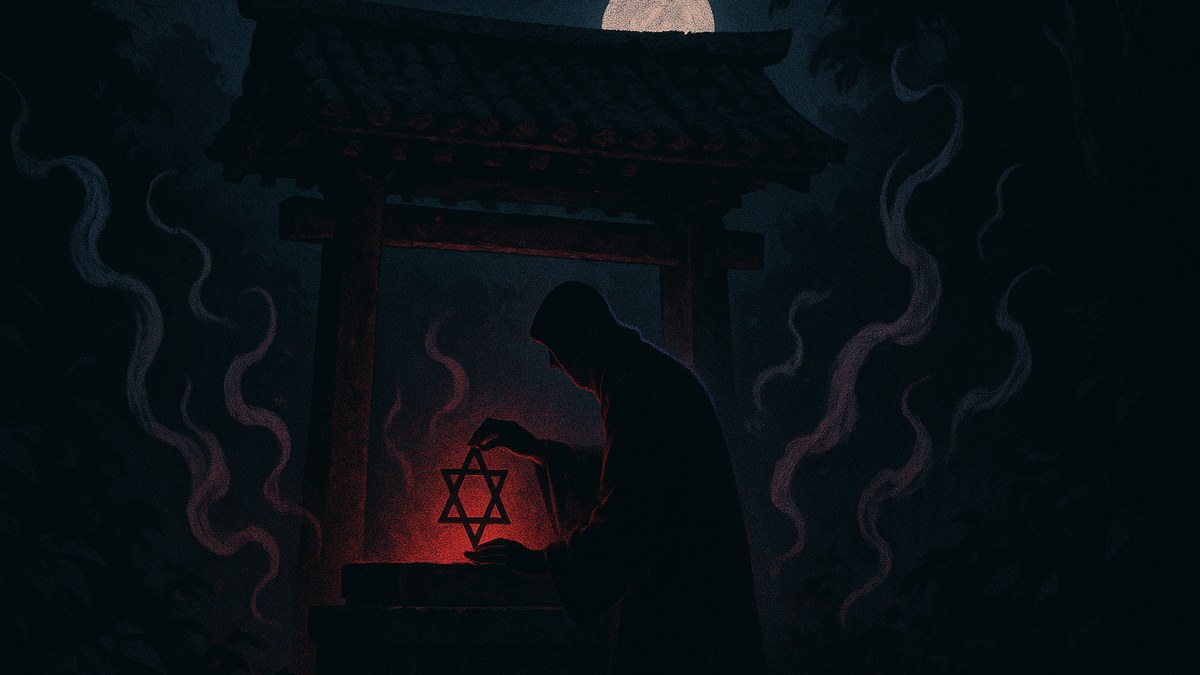
Say onmyoji and the first name out of anyone's mouth is Abe no Seimei. Novels, films and manga have made him the emblem of Japanese occult tradition.
But the Seimei who lived and the Seimei of the stories are two rather different people. This article sorts out who he actually was and what grew around him afterwards — purely as history and folklore.
Who Abe no Seimei actually was
Abe no Seimei was born around 921 and died in 1005: a real onmyoji of the mid-Heian period. He belonged to the court's Bureau of Onmyo and held posts including doctor of astronomy. His work was divination, the calendar, and the performance of purification and other rites. In modern terms he was a technical civil servant who kept the state calendar, ruled on auspicious timing, and ran ceremonies.
His name survives in contemporary sources. Fujiwara no Michinaga's diary Mido Kanpakuki records Seimei performing prayers and divinations, showing he was a trusted practitioner in his own lifetime. He was also notably long-lived, reportedly still active into his eighties.
Seimei in the tales — shikigami and contests of skill
He became superhuman after his death. Collections such as Konjaku Monogatarishu and Uji Shui Monogatari are full of wonder-tales with Seimei at the centre.
He commanded shikigami at will and had them do the housework while he was out; he kept them hidden under a bridge; he crushed a frog with a spell to prove a point; he out-duelled the Harima priest Ashiya Doman. All of it is taken to be later invention — which is itself evidence of how strongly the figure of Seimei worked on the imagination.
Seimei Kikyo — what the pentagram means
Seimei's emblem is the Seimei Kikyo: a five-pointed star drawn in a single unbroken stroke, known today as the crest of Seimei Shrine in Kyoto.
The shape has been explained as a diagram of the five phases of onmyodo — wood, fire, earth, metal and water — in their relations of generation and restraint. Five elements joined by one continuous line stand for circulation and balance. As a ward against evil the mark appears on gofu and ofuda.
It looks much like the Western pentagram, but the two descend from entirely separate lineages. That similar shapes came to carry similar meanings in distant cultures probably has something to do with the fact that a five-pointed star can be drawn without lifting the brush.
The Kuzunoha legend — child of a fox
The most famous legend about Seimei says his mother was Kuzunoha, a white fox of the forest of Shinoda. Rescued by a man, the fox takes human form, marries him and bears Seimei. When her true nature is discovered she returns to the forest, leaving a farewell poem behind.
It spread as material for joruri puppet theatre and kabuki and has been retold ever since. Not history — but worth asking why such a story was needed. To account for more-than-human power, you need a more-than-human origin. Dread of unusual ability is what generates legends of bloodline.
Seimei Shrine and the modern boom
Seimei Shrine, in Kamigyo ward in Kyoto, stands on what is held to be the site of his residence. From the 1990s onward, an onmyoji boom driven by novels, films and manga brought a sharp rise in visitors.
The modern image of Seimei is built far more from tale and fiction than from the historical official. Even so, that accumulation is the shape of Japanese occult culture. Juju and majinai alike are less about efficacy than about mirroring what people feared and what they wanted to lean on.
The job of giving an outline to invisible worry
The real work of an onmyoji was to give explanation and procedure to invisible anxiety. Why does misfortune keep coming? When should we act? To questions with no answer, the calendar and divination supplied an outline. What people wanted was not superpowers but that — being made able to handle it.
The anxieties we carry work the same way. Without an outline they keep looking enormous. Noroi Nikki is a private app for writing out exactly those negative feelings you cannot say to anyone, and quietly setting them down. Saved journal text is not public to other users. You choose whether to share a curse card.
Turning something formless into words of a manageable size is, in the end, not so far from what an onmyoji was doing a thousand years ago.
For more onmyodo folklore, see what an onmyoji is, what shikigami are and what the kuji are.
FAQ
Frequently asked questions
Q.Was Abe no Seimei a real person?
Yes. Abe no Seimei (c. 921–1005) was an onmyoji who genuinely lived in the mid-Heian period and served the court as an official, including as a doctor of astronomy. His name appears in contemporary records such as Fujiwara no Michinaga's diary. Most of the famous anecdotes — commanding shikigami and so on — are later tales.
Q.What does the Seimei Kikyo pentagram mean?
Seimei Kikyo is a five-pointed star drawn in a single stroke, known as the crest of Seimei Shrine in Kyoto. It is explained as a diagram of the five phases of onmyodo — wood, fire, earth, metal and water — cycling into one another, and has been used as a ward against evil. It resembles the Western pentagram but descends from a different lineage.
Q.What is the Kuzunoha legend?
A later legend that Seimei's mother was Kuzunoha, a white fox of the forest of Shinoda. Born of a human father and a fox mother, he was said to possess more than human power. It spread as a subject for joruri and kabuki, and is not historical fact.
About the author
Katsuki Mitsumori三森 捷暉
CEO, SURISUTA K.K. / Operator of Doya Marke AI
Runs Doya Marke AI, a suite of practical AI services spanning content, ads, sales and HR, and hosts the YouTube channel 'SaaS wa Shinimasshen.' Creator and developer of Noroi Nikki, an app for writing out and letting go of emotions.
This article explains folklore, language and culture. It is not medical, legal or religious advice. Traditions are introduced as culture, not as instructions to harm anyone. Claims without a source are marked as popular belief.
RELATED
Related reads
 Folklore of curses
What Is a Shikigami? The Meaning and Origins of the Onmyoji's Familiar Spirit
What is a shikigami? A folklore-and-culture explanation of the meaning and origins of the spirit familiars said to be commanded by onmyoji — their link to paper effigies (katashiro) and the legends of Abe no Seimei. Lore and culture only.
 Folklore of curses
What Is Kodoku? Japan's Outlawed Insect Curse, Explained
What is kodoku? A folklore-and-history explanation of the sorcery said to have reached Japan from China — the character for ko, the Han-dynasty witchcraft scandals, the Ritsuryo law that made "kodoku enmi" a capital crime, and the link to inugami possession lineages. Lore only.
 Folklore of curses
What Is Ushi no Koku Mairi? The Meaning and Origins of Japan's Midnight Curse Ritual
What is ushi no koku mairi (the hour-of-the-ox shrine visit)? A folklore-and-culture explanation of its meaning and origins — the ritual of nailing a straw doll at the witching hour, and the legend of the "curse rebound." Not a how-to, and not something we encourage doing.