What Is an Enkiri Shrine? The Meaning and History of Severing Bad Ties
A folklore look at what an enkiri (bond-severing) shrine is — the meaning of praying to cut bad ties, beliefs around Yasui Konpira-gu and the Enkiri Enoki, why "cutting" and "binding" are two sides of one coin, and how to sort out the wish to let go.
By Katsuki Mitsumori
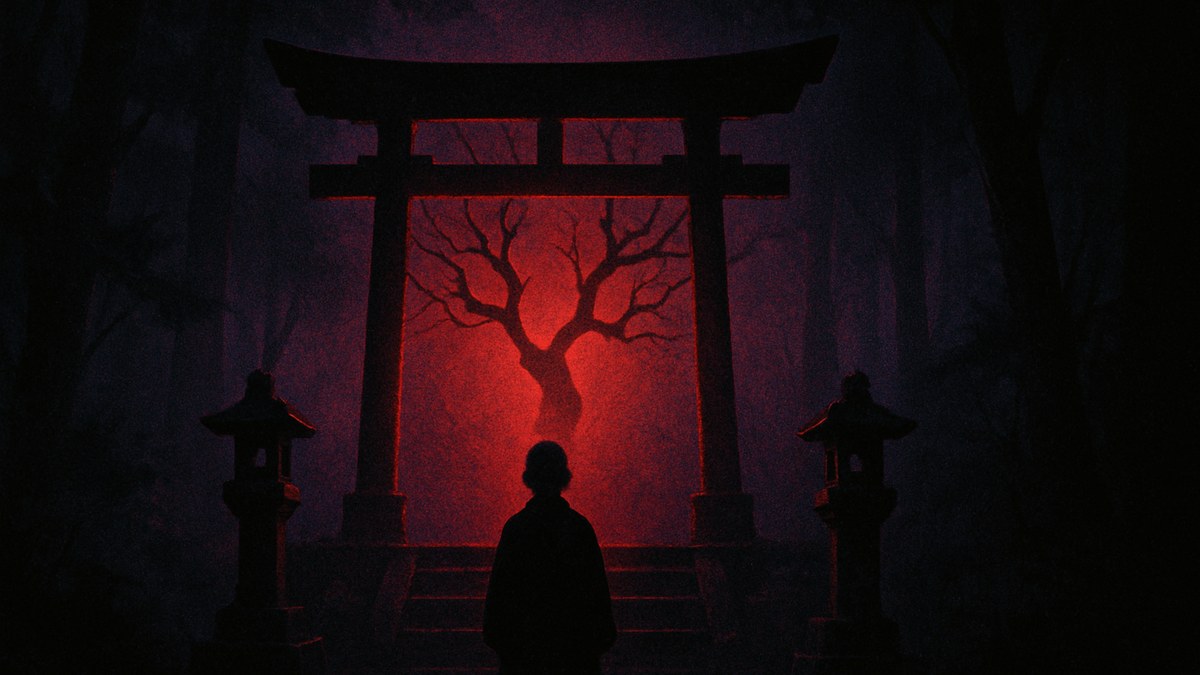
An "enkiri shrine" is a name for a shrine people visit to pray to sever a bad tie they want to be free of — a soured relationship, a habit they want to quit, illness or misfortune. It is a belief paired with enmusubi, praying for good ties, and it has been passed down across Japan since long ago. This article explains what kind of place an enkiri shrine is, carefully — its history, its representative shrines, its rites, and the relationship between "cutting" and "binding" — from a folklore perspective.
What an enkiri shrine is
An enkiri shrine is a place to entrust to the gods the wish to "get away from a bad connection that is binding me now." The object is not only human relationships. Wanting to quit drinking or smoking, wanting to sever a tie with illness, wanting to cut off a bad current — all these various "ties one wants to cut" have been objects of prayer. In most cases it takes the form of writing the wish on a votive tablet (ema) or a paper effigy (katashiro) and dedicating it.
What matters is that the enkiri belief is rooted, at its origin, in the idea of purification — "cutting a tie with the bad and cleansing oneself." Different in character from a curse that wills misfortune onto someone, it has been handed down as a forward-looking prayer for a fresh break: to move away from what binds you and on toward a new state.
Yasui Konpira-gu — Emperor Sutoku and the belief in "renunciation"
The best-known enkiri shrine is Yasui Konpira-gu in Higashiyama, Kyoto. Its origins are said to reach back to the Nara period, beginning with a legend that Fujiwara no Kamatari planted wisteria and built a "Wisteria Temple" (Fuji-dera). The one who later loved the wisteria of this place was Emperor Sutoku, of the late Heian period.
Emperor Sutoku was defeated in the Hogen Rebellion (1156), exiled to Sanuki (present-day Kagawa), and died there in despair. The tale that in Sanuki the emperor secluded himself, cutting off every lingering attachment to the human world, is said to be the origin of this shrine's belief in "renunciation" (tachimono). In other words, the blessing of enkiri is laid over the figure of Emperor Sutoku "cutting off attachment to what is not good and cleansing himself." The huge "tie-cutting, tie-binding stone" in the precincts is known for the rite of crawling through the central hole from front to back to sever bad ties, from back to front to bind good ones, and pasting a wish-written effigy onto the stone.
The Enkiri Enoki and other shrines across Japan
Shrines of severing are found all over. Tokyo's Enkiri Enoki in Itabashi is a place whose tie-severing power was so believed that, in the Edo period, wedding and bridal processions are said to have avoided passing beneath it. The name enoki (a hackberry tree) was taken to echo "cutting a tie" (en o kiru), and people came praying to sever not only bad relationships but ties with habits or illness they wished to be free of.
Beyond these, beliefs around severing ties are scattered among shrines and temples across the land. What they share is that, in most cases, there is a story tied to that place's history or enshrined deity, and from it the power to "cut" has been told. It is clear they have been handed down less as mere wishing-spots than as sites of belief bound up with the history of the land.
"Cutting" and "binding" as two sides of one coin
What is striking about the enkiri belief is that "cutting" is not necessarily treated as a negative act. Only by letting go of what is not good does room open for a new tie to enter — the reason many enkiri shrines let you pray for both "severing" and "binding" in the same place is said to lie in this two-sides-of-one-coin view. At Yasui Konpira-gu too, severing bad ties and binding good ones are joined as a single continuous rite of passing through one stone. To cut is, at once, an ending and a beginning.
Writing out the wish and dedicating it
At the heart of the enkiri shrine's rite lies the act of "writing." You put the tie you want to cut, or your wish, into words on a votive tablet or effigy, and dedicate it. A thought that stayed vague while it was only in your head is, by being turned into writing and entrusted to the shrine, set outside you as a clear "thing to let go of." For the idea of the katashiro — a stand-in tool onto which you transfer a feeling — see What Is a Katashiro?
Note that writing words wishing misfortune on another onto a votive tablet strays from the original aim of enkiri: to cleanse oneself and move forward. Most worshippers write, and let go of, only what they themselves want to leave behind — the situation they want to sever — and that is the sensible way to receive this belief.
Writing out the wish to cut, to sort it through
When you entrust a wish to a shrine, as if writing a single line on a votive tablet, putting your own "why do I want to cut this" and "the hesitation that still remains" into words helps sort your feelings through. Noroi Nikki is a private place where you can write out such wishes to sever, and unresolved honest feelings, just as they are, without posting it to other users. There is no need to wrap it up positively. Start by writing, and look squarely at what you truly want to let go of.
Related reading: Wanting to Cut Ties but Feeling Guilty — Sorting It Out in a Journal
FAQ
Frequently asked questions
Q.What is an enkiri shrine?
It is a name for a shrine people visit to pray for severing a bad tie they want to be free of. The object is not only human relationships but also habits one wants to quit, illness, or a bad streak. As a belief paired with enmusubi (praying for good ties), it has been passed down across Japan, often by writing the wish on a votive tablet or a paper effigy and dedicating it.
Q.Which enkiri shrines are famous?
Kyoto's Yasui Konpira-gu is known for the rite of passing through a huge 'tie-cutting, tie-binding' stone. Tokyo's Enkiri Enoki in Itabashi is a place whose tie-severing power was so believed that, in the Edo period, wedding processions are said to have avoided passing beneath it. Both draw visitors from all over the country.
Q.Why can an enkiri shrine also grant good ties?
Because there is a view that only by letting go of what is not good does room open for a new tie to enter. From the idea that cutting is at once an ending and a beginning, many enkiri shrines let you pray for both severing and binding ties in the same place.
About the author
Katsuki Mitsumori三森 捷暉
CEO, SURISUTA K.K. / Operator of Doya Marke AI
Runs Doya Marke AI, a suite of practical AI services spanning content, ads, sales and HR, and hosts the YouTube channel 'SaaS wa Shinimasshen.' Creator and developer of Noroi Nikki, an app for writing out and letting go of emotions.
This article explains folklore, language and culture. It is not medical, legal or religious advice. Traditions are introduced as culture, not as instructions to harm anyone. Claims without a source are marked as popular belief.
RELATED
Related reads
 Folklore of curses
What Are the Legends of Curse Words? Kotodama Belief and Folklore Explained
A folklore look at the legends surrounding curse words — the kotodama belief that words hold power, why "noroi" (cursing) and "inori" (praying) are of one root, and the idea of writing out negative words to let them go. This is not an article that recommends acting on any of it.
 Folklore of curses
What Is Shio Majinai? The Folklore of Salt, Purification, and Letting Go by Writing
A look at what "shio majinai" (the salt charm) is, from a folklore perspective — Japan's long tradition of seeing purifying power in salt, the modern form of the practice, and the idea of writing your worries out to let them go.
 Folklore of curses
What Does "Onnen" Mean? The Word for a Grudge, and How Japan Learned to Calm It
Onnen, used in phrases like "steeped in onnen," names a resentment congealed deep in the heart. Here is its meaning, how it differs from urami, the goryo belief that enshrined figures like Sugawara no Michizane to calm it, the idea of "dispelling" a grudge, and a bridge to releasing resentment safely.