When Being Sensitive Makes Life Hard: Writing Your Feelings to Feel Lighter, Without Self-Blame
You get worn out many times over, sink over trivial things, and feel drained just by living. For those for whom sensitivity makes life hard, here's how to stop blaming yourself and write your feelings to feel a little lighter.
By Katsuki Mitsumori

You dwell for hours on someone's offhand remark, get worn out just being in a lively place, and once home, replay the day's events in fine detail and sink. Others seem fine in the same situations, yet you alone are this tired, this hurt. "Why is life so hard for me?" — and you end up blaming your sensitive self. Haven't you spent nights like that, over and over?
Being sensitive and finding life hard comes from a heart that takes in the world deeply and carefully. It is by no means because you're weak or self-indulgent. In this article we'll gently unpack the difficulty that comes with sensitivity, and share how to stop blaming yourself and write your feelings to feel a little lighter.
Why sensitivity makes life hard
Sensitive people tend to take in surrounding stimulation, others' emotions, and even their own inner world more deeply than others. You react strongly to events most people can naturally let slide, think deeply about their meaning, and keep feeling them for a long time.
That's exactly why, even living through the same day, the volume of information and emotion you take in and process is greater than others'. Because you feel so richly, your exhaustion and low moods tend to run large too. Feeling tired just by living isn't laziness or exaggeration — it's the natural consequence of a deeply receiving heart.
This trait won't easily change even if you try to change it. That's why what matters isn't trying to erase your sensitivity, but having ways to live a little more easily while staying sensitive.
First, stop blaming yourself
What deepens life's difficulty is often not sensitivity itself, but the feeling of blaming your sensitive self. "I'm weak for getting tired by this much." "Everyone else manages." Each time you blame yourself like that, self-denial stacks on top of fatigue, and the difficulty doubles.
First, try pausing that blame for a moment. Sensitivity isn't a defect — it's one of the ways of feeling you were born with. Because you feel deeply, you can attune to others' pain, notice small beauty, and savor things carefully. Behind being easily tired, there is always richness.
Let go of overfelt feelings by writing
Sensitive people tend to hold the stimulation and emotions taken in during the day and ruminate on them into the night. That hoarding weighs the difficulty down further. That's exactly why it helps to write out and release the feelings you felt too much that day.
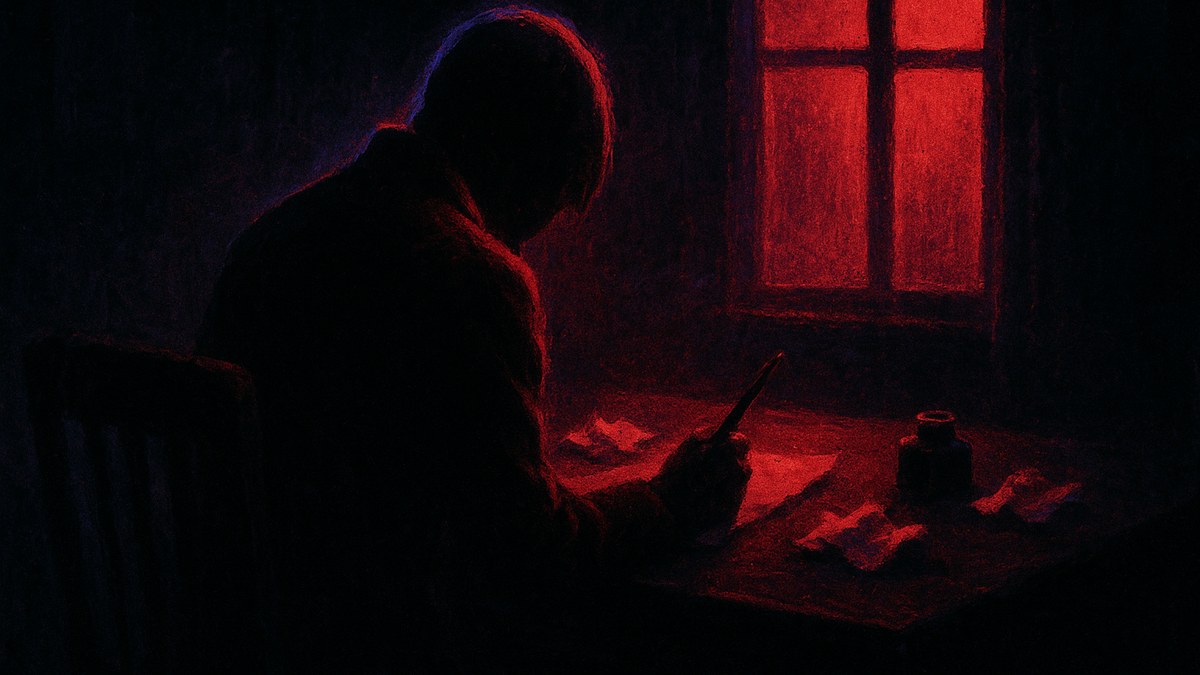
At the end of the day, try writing, just as it is, what was hard, what tired you, what made you sink. "That remark stung today." "A crowded place drained me." "I hated that I couldn't do anything." When what was spinning in your head becomes words, your feelings get organized and you become able to view them from a little distance.
Writing is quiet self-care for a sensitive person to lighten the heart at the end of the day. In a space for your own writing, you can vent what you felt just as it is — unadorned, without toughing it out.
Making life easier, while staying sensitive
Keep up the habit of writing to let go, and it becomes clear what situations tend to drain you and when you tend to sink. Once you know, you can reduce the situations you struggle with, deliberately build in rest, and assemble, little by little, a way of living that doesn't overstrain you. Arranging your environment to suit your sensitivity isn't selfishness — it's treating yourself with care.
Life's difficulty doesn't drop to zero all at once. But stopping the self-blame and letting go of overfelt feelings without hoarding them — this small accumulation gradually makes your sensitive days a little easier to live.
When the distress continues
If low moods or exhaustion last a long time and you can't sleep, can't enjoy anything, or it disrupts daily life, it's generally considered a sign to talk to a professional such as a doctor or mental health specialist without toughing it out. The more sensitive you are, the more you tend to carry things alone, right up to your limit. The methods here are everyday self-care and not a substitute for medical judgment. If it feels like more than you can hold, borrow a professional's help early.
Venting the difficulty as a "curse" is allowed too
Trying to swallow life's difficulty with "everyone is working hard" only wears a sensitive heart down further. There's no need to force yourself to be positive or to grow strong.
Noroi Nikki is an app for those who are sensitive and find life hard. Saved journal text is not public to other users. The more worn out you are from taking in the world deeply, the more you deserve to give yourself a little time, at the end, to let your feelings go.
References
- James W. Pennebaker, Opening Up: The Healing Power of Expressing Emotions (Guilford Press, 1997). A foundational body of research on the effects of writing out held-in emotions, known as expressive writing.
FAQ
Frequently asked questions
Q.Why does being sensitive make life feel hard?
Sensitive people tend to take in surrounding stimulation, others' emotions, and even their own inner world more deeply than others. They react strongly to events most people can let slide, so their exhaustion and low moods tend to run larger, which can make daily life itself feel tiring. It is by no means self-indulgence.
Q.Should I try to fix a sensitive personality?
You don't have to force a fix. Sensitivity is the flip side of a power to feel deeply, notice finely, and savor richly. What matters isn't changing your personality, but having a way to let go of overfelt feelings without hoarding them. A writing habit can be that support.
Q.Does writing about life's difficulty really make it lighter?
Putting into words and getting out the thoughts spinning in your head organizes your feelings and lets you view them from a little distance. It tends to bring a sense of the load you carried growing lighter, and can also become an opportunity to look at yourself more objectively.
Q.What if the difficulty is severe and disrupts daily life?
If low moods or exhaustion last a long time and you can't sleep, can't enjoy anything, or it disrupts daily life, it's generally considered a sign to talk to a professional such as a doctor or mental health specialist. The methods here are everyday self-care and not a substitute for medical judgment.
About the author
Katsuki Mitsumori三森 捷暉
CEO, SURISUTA K.K. / Operator of Doya Marke AI
Runs Doya Marke AI, a suite of practical AI services spanning content, ads, sales and HR, and hosts the YouTube channel 'SaaS wa Shinimasshen.' Creator and developer of Noroi Nikki, an app for writing out and letting go of emotions.
This article explains folklore, language and culture. It is not medical, legal or religious advice. Traditions are introduced as culture, not as instructions to harm anyone. Claims without a source are marked as popular belief.
ZUKAN
Meet the yokai of this feeling



RELATED
Related reads
 Emotional care
Drained by Sensitivity to Sound and Light: Writing Out Sensory-Overload Days to Recover
The buzz of crowds, flickering fluorescent lights, phone notification chimes. For those left wiped out by sensitivity to sound and light, here's a self-care method of writing out overstimulating days to recover.
 Emotional care
What Are the Benefits of Emotion Journaling? How Writing Lightens the Heart
Why does emotion journaling lighten the heart? Here's a clear, non-absolute look at the benefits writing is said to bring — easing rumination, labeling feelings — alongside the psychological mechanisms discussed in research.
 Emotional care
Overwhelmed by Guilt — Set Down What You Carry by Writing
It feels like it's all your fault, and the guilt is about to crush you. For anyone frozen by excessive self-blame, here is how to write out what you carry and set it down bit by bit — plus where to turn when the pain drags on.