The Sleep-Deprivation Irritability Loop: Write Out the Night's Feelings to Settle Them
Too little sleep makes you snap at small things, and the irritation keeps you awake again. Here's a self-care practice — writing out the night's heated feelings — to break the loop, with a look at research on how sleep loss affects emotion.
By Katsuki Mitsumori
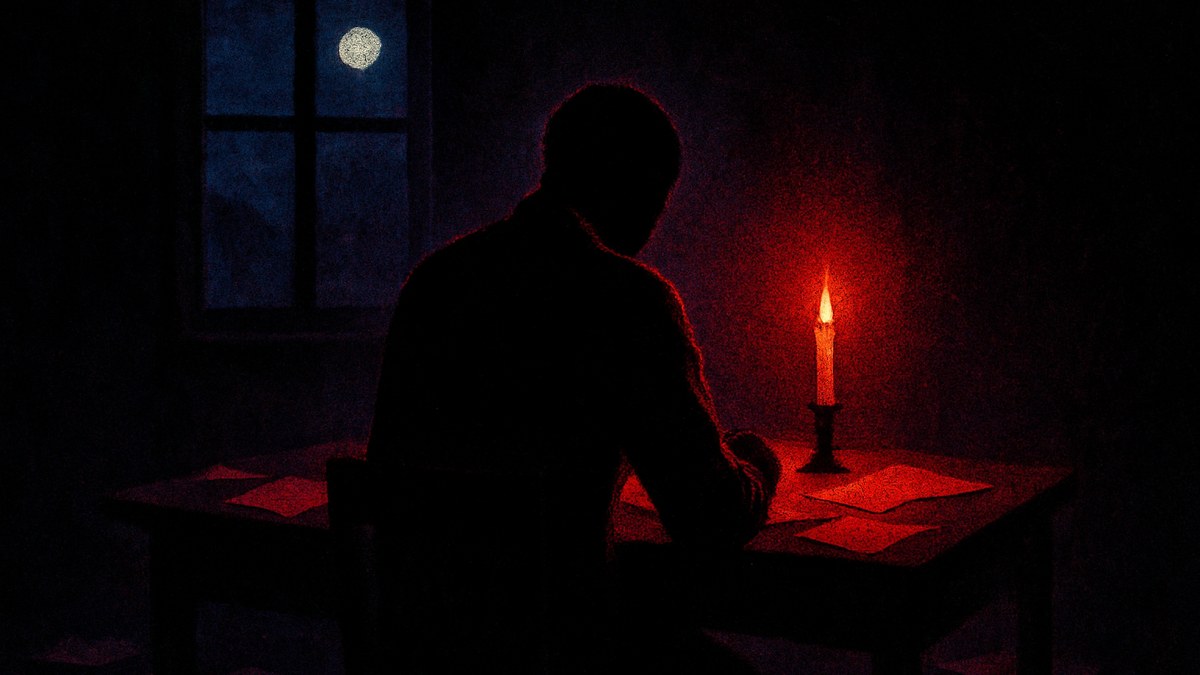
On a sleep-deprived morning, your nerves stand on end at the smallest thing. A late reply, a plan that won't go your way, a family member's offhand remark — things you'd normally let slide each spark anger. And by night, the irritation you stored up during the day reignites in your head, your feelings run high, and you can't sleep. The next morning you're even more sleep-deprived, and even more irritable. Before you know it, you're caught in that loop, aren't you?
What makes the sleep-loss-irritability loop so tricky is that cause and effect amplify each other. You're irritable because you can't sleep, and you can't sleep because you're irritable. This article walks you through breaking that circle by writing out the night's heated feelings to settle them.
Why too little sleep makes you short-tempered
Snapping at small things when sleep-deprived happens, in most cases, because when sleep is short, "the brain regions that put the brakes on emotion work less well." Sleep research has reported that under sleep deprivation, the brain's reactions to negative events tend to intensify. In other words, you grow oversensitive even to small triggers you'd normally let pass, and anger or irritation wells up larger than it really is.
The tricky part is that these heated feelings block sleep further at night. Once rumination sets in — replaying the day's irritation over and over — the arousal won't settle and you lie wide awake. Sleep gets shaved off again, and the next day you're even more irritable. Short-temperedness on a sleep-deprived day isn't a flaw in your character — it's a sign of a tired brain. Just understanding that spares you from self-blame.
Write out the heated feelings that same night
What helps in breaking this loop is to write out, that same night, the event that triggered the irritation and the feeling it stirred. "That remark got under my skin." "I panicked when the plan fell through." Instead of ruminating on the heated feelings in your head, get them out onto paper or your phone.
The point of writing is that it becomes easier to draw a boundary around the arousal. While it stays in your head, the irritation replays, flaring up each time. But once you put it into words and set it outside you, the circling gets an endpoint — "so this is what angered me today." There's no need to make it neat. Rough words, hurling the anger just as it is, are all fine.
Don't force sleep — settle the arousal first
When you're too irritated to sleep, rushing yourself to sleep piles irritation about "not being able to sleep" on top, and you grow wider awake. When you truly can't drop off, it's considered better to get out of bed for a bit and turn your attention to calming the arousal — for instance, writing out the heated feelings for a few minutes.
Once you've gotten the feelings out, dim the lights and let your breathing slow. Lie down again once drowsiness returns. Letting go of the pressure to "sleep quickly" ends up helping you drift off. Rather than getting into bed with feelings still stored up, setting them down first and then resting helps loosen the loop.
When sleep loss and irritability continue
What's here is everyday self-care. If fatigue won't lift even when you think you're sleeping enough, or irritability and low mood last a long time and disrupt work and relationships — it's generally considered a sign to consult a professional such as a doctor or a sleep clinic without toughing it out. Sleep loss and irritability lasting for weeks can be a sign from your body or mind. Reaching out is never an overreaction.
You may hurl it in "curse" words too
Switch the irritation to something positive, settle your mood with gratitude — those routines are hard on a night your nerves are on end. Rather than forcing calm, getting the risen anger out just as it is quiets the mind faster.
Noroi Nikki is an app for those nights. We built it as a place where you can let out the irritation you stored up during the day, and the curse-words, in exactly the form they take — no need to dress them up. Saved journal text is not public to other users. Before you take it out on someone, set the heated feelings down here. That is a step toward breaking the loop of sleep loss and irritability.
References
- Yoo, S. S., Gujar, N., Hu, P., Jolesz, F. A., & Walker, M. P. (2007). The human emotional brain without sleep — a prefrontal amygdala disconnect. Current Biology, 17(20), R877–R878. A study finding that under sleep deprivation, the brain's (amygdala's) reactions to negative stimuli tend to intensify.
FAQ
Frequently asked questions
Q.Why does too little sleep make me snap at small things?
When sleep is short, the brain regions that put the brakes on emotion work less well, and reactions to negative events tend to intensify. You grow oversensitive even to small triggers you'd normally let pass, and anger or irritation wells up larger than it really is. Short-temperedness on a sleep-deprived day is less about character than a sign of a tired brain.
Q.How can I break the loop of sleep loss and irritability?
First, write down the event that triggered the irritation and the feeling it stirred, that same night, on paper or your phone. Ruminating on heated feelings in your head keeps the arousal from settling and blocks sleep further. Putting it into words and getting it outside once can draw a boundary around the feeling and make sleep easier to reach.
Q.When I'm too irritated to sleep, should I force myself to sleep anyway?
Rushing yourself to sleep can pile irritation about 'not being able to sleep' on top, leaving you wider awake. When you truly can't drop off, it's considered better to get out of bed for a bit and turn your attention to calming the arousal — for instance, writing out the heated feelings for a few minutes. Lie down again once drowsiness returns.
Q.Should I seek help if sleep loss and irritability last for weeks?
If fatigue won't lift even when you think you're sleeping enough, or irritability and low mood last a long time and disrupt work and relationships, it's generally considered a sign to consult a professional such as a doctor or a sleep clinic. The methods here are everyday self-care and are not a substitute for diagnosing or treating a sleep disorder or a mood problem.
About the author
Katsuki Mitsumori三森 捷暉
CEO, SURISUTA K.K. / Operator of Doya Marke AI
Runs Doya Marke AI, a suite of practical AI services spanning content, ads, sales and HR, and hosts the YouTube channel 'SaaS wa Shinimasshen.' Creator and developer of Noroi Nikki, an app for writing out and letting go of emotions.
This article explains folklore, language and culture. It is not medical, legal or religious advice. Traditions are introduced as culture, not as instructions to harm anyone. Claims without a source are marked as popular belief.
ZUKAN
Meet the yokai of this feeling



RELATED
Related reads
 Emotional care
Jealous of a Coworker Getting Praised? Write the Dark Feeling Out and Own It
A coworker keeps getting praised and recognized. You want to be happy for them, but envy stirs deep down and it hurts. Here's how to own that workplace jealousy — writing it out instead of denying it — and let it go.
 Emotional care
Exhausted From People-Pleasing: Venting the Honest Feelings You Swallowed in a Journal
You accommodate everyone, always put others first, and come home drained. Here's how to unpack that people-pleasing fatigue and vent the honest feelings you've swallowed in a journal to get yourself back.
 Emotional care
When Money Anxiety Won't Go Away: Move the Worry Onto Paper and Lighten It
Thinking about savings and the future makes your chest tighten, and you can't sleep. Here's how to write money anxiety down, sort it into "what I can do now" and "what I can't change now," and set it outside your head to feel lighter.