What Is Ohyakudo-mairi? The Folk Practice of Praying the Same Wish a Hundred Times
Ohyakudo-mairi is a Japanese folk practice of visiting the same shrine or temple a hundred times to make a wish. Here's its meaning, its origins, the basic form using the "hundred-times stone," and the quiet inner work behind repeating a prayer.
By Katsuki Mitsumori
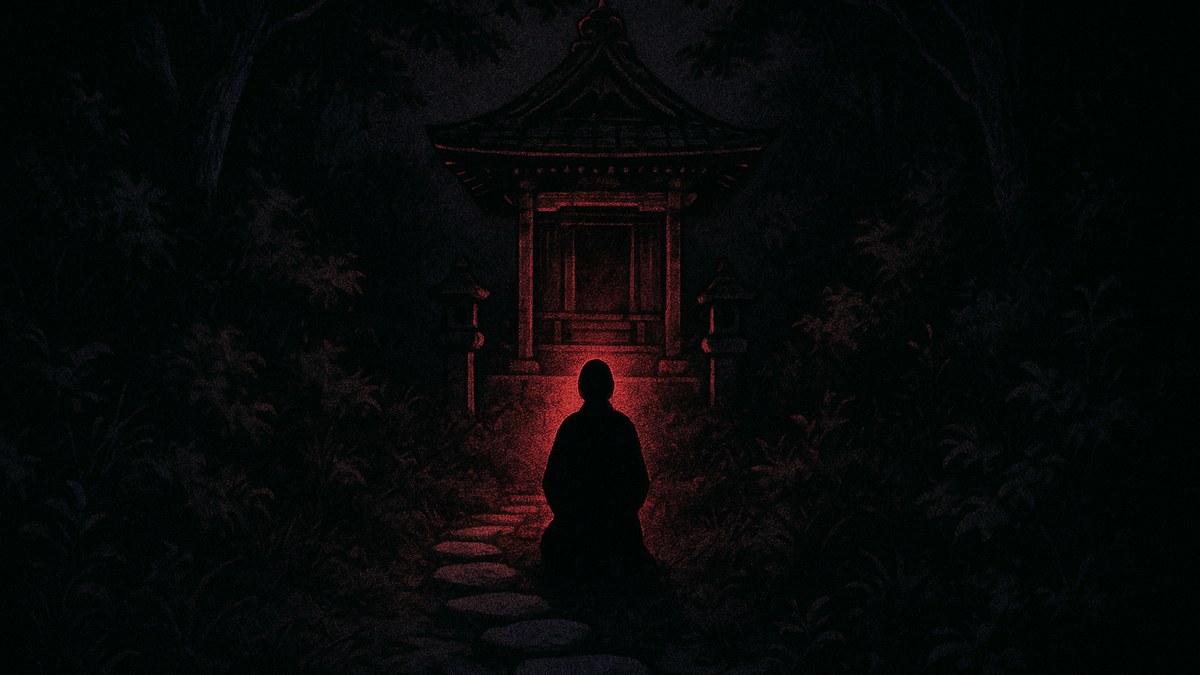
You want a family member's illness to heal. There's a wish you simply must see granted. In Japan, when people carry a longing this urgent, they have long practiced ohyakudo-mairi — visiting the same shrine or temple over and over. Many have heard the name without knowing its meaning or form. This article covers what ohyakudo-mairi is, its origins and history, the basic form using the hundred-times stone, and how it differs from the often-confused ushi-no-koku-mairi — aiming to be the most careful single read available.
What ohyakudo-mairi is
Ohyakudo-mairi is a folk practice of walking back and forth within the grounds of the same shrine or temple a hundred times, praying at each pass. What sets it apart is not a single visit but the stacking up of one hundred rounds.
Behind it lies the sense that the most urgent wishes cannot be said in one breath. By repeating the count, one seeks to convey the sincerity and gravity of a wish to the deities — a form of devotion that shows earnestness through sheer number. It is said to have been performed especially for wishes beyond human power, such as recovery from illness.
Origins — from hundred-day visits to hundred-times visits
The practice is thought to have grown out of the "hundred-day visit" (hyakunichi-mairi), in which one went to a local guardian shrine every single day for a hundred days. Because keeping that up was hard, the form of walking a hundred round trips within a single precinct — counting a hundred in one day — is thought to have spread instead. Here "a hundred" meant less an exact tally than "again and again," a figure for urgency.
Ohyakudo-mairi in history
Wish-making of this kind is thought to have existed already in the Heian period. The Kamakura-period chronicle Azuma Kagami, in an entry for 1189, records court women visiting Tsurugaoka Hachimangu to pray for a military campaign — a passage often cited as an early example of ohyakudo-mairi. A similar case at the Gion shrine is said to appear in the record Heiko-ki, suggesting the practice was rooted as a rite of urgent prayer at least by medieval times.
The basic form with the hundred-times stone
The form differs by shrine and region, and there is no single correct answer. Generally, you first pray at the place of worship and make your wish, then count one round trip between the place of worship and a marker stone set in the grounds — the ohyakudo-ishi, the hundred-times stone — as a single count, repeating this a hundred times.
To keep from losing count, people would snap off small paper twists or sticks one by one, or set down an offering or twist at each pass. The customary bow is "two bows, two claps, one bow." Some regions add forms such as going unseen, in silence, or barefoot, but these too vary greatly by shrine; do it within your means and follow each shrine's own guidance.
The difference from ushi-no-koku-mairi (a common misconception)
Ohyakudo-mairi is often confused with ushi-no-koku-mairi. Yet the two are entirely different. Ohyakudo-mairi is a neutral form of wish-making performed widely for good ends, too — recovery from illness, success in exams — and does no harm to others. Ushi-no-koku-mairi, by contrast, is a very different folk belief, spoken of as a curse meant to harm a person in the dead of night. Because "visiting the same place over and over" looks similar from the outside, the two get conflated, but their aims are opposite. See What Is Ushi-no-koku-mairi for that separately.
The meaning of "repeating" a prayer
The heart of ohyakudo-mairi lies in the act of repeating the same prayer itself. Rationally, a wish should only need to be voiced once. That people repeat it a hundred times is because the act of repetition works upon the one who prays.
Moving the body, counting, murmuring the same words within — through this, a person does not merely wish but looks again at what they truly long for. The repetition of prayer was also time to sort out the wish, confirm one's resolve, and settle the heart into one. Continuing to put a longing into words, aimed outward, quietly orders what is within. Here lies why this custom has been handed down so long.
Another way to put a wish into words
A wish you long to grant, a feeling you long to release — held only inside the chest, neither takes shape. What ohyakudo-mairi teaches is that a prayer or a feeling gains its outline only when put into words, again and again.
Noroi Nikki is a private app for writing out what has piled up inside, even on days you cannot visit a shrine. Saved journal text is not public to other users. As you repeat the act of writing, what you truly wished for may slowly come into view.
Related article: What Is Yaku-otoshi? How It Differs from Yaku-barai, and the Folk Practice of Letting Go of Misfortune
FAQ
Frequently asked questions
Q.What is ohyakudo-mairi?
It is a Japanese wish-making practice of walking back and forth within the grounds of the same shrine or temple a hundred times, praying at each pass. Typically you move between the main hall and a marker called the ohyakudo-ishi (the hundred-times stone) set in the precinct. Rather than a single visit, it repeats the number one hundred to convey the depth and sincerity of a wish to the deities.
Q.What is the basic form of ohyakudo-mairi?
The details vary by region and by shrine, but generally you first pray and make your wish, then count one round trip between the hundred-times stone and the place of worship as a single count, repeating this a hundred times. Some places use small paper twists or sticks to keep count. Do it within your means and follow each shrine's own guidance.
Q.What meaning is carried in ohyakudo-mairi?
The meaning lies in the very act of repeating the same prayer. A wish too urgent to say once is given shape by moving the body and stacking up the count, and in doing so you settle your own heart. The repetition of prayer has long been received as time to sort out what you truly want and to steady your resolve.
About the author
Katsuki Mitsumori三森 捷暉
CEO, SURISUTA K.K. / Operator of Doya Marke AI
Runs Doya Marke AI, a suite of practical AI services spanning content, ads, sales and HR, and hosts the YouTube channel 'SaaS wa Shinimasshen.' Creator and developer of Noroi Nikki, an app for writing out and letting go of emotions.
This article explains folklore, language and culture. It is not medical, legal or religious advice. Traditions are introduced as culture, not as instructions to harm anyone. Claims without a source are marked as popular belief.
RELATED
Related reads
 Folklore of curses
What Is Yaku-otoshi? How It Differs from Yaku-barai, and the Folk Practice of Letting Go of Misfortune
Yaku-otoshi is a folk practice of deliberately shedding and letting go of misfortune clinging to you. Here's how it differs from yaku-barai and yaku-yoke, its link to the "unlucky years," and the meaning behind dropping and releasing things.
 Folklore of curses
What Is Onryo? The Folklore of the Vengeful Spirit the Japanese Feared and Enshrined
An onryo is the spirit of someone who died with bitterness or a grudge, believed to bring misfortune. From a folklore view, here's its meaning, famous legends, and the goryo belief that enshrined these vengeful spirits as gods.
 Folklore of curses
What Is Tatari? The Folk Meaning of the Misfortune the Japanese Have Long Feared
Tatari is an old idea that the anger of gods, spirits, or nature falls upon people as misfortune. From a folklore view, here's its meaning, its origins, its link to goryo belief, and what people were really trying to appease.