You Give and Give but No One Thanks You? Write the Unappreciated Feeling Down
You do so much, yet get no thanks and are taken for granted. When feeling unappreciated wears you down, here is how to face the wish for a return and safely let the swallowed resentment go.
By Katsuki Mitsumori

The chores, the thoughtfulness, the thankless roles — you're always the one who takes them on. And yet, not a word of thanks, just a look that says it's a given. In an unguarded moment, the thought "what am I even to them?" wells up from deep in your chest. For people who feel they give and give without reward, this is a recurring pain.
It's not that you do it wanting something back. Even so, each time your effort goes unthanked, your mind wears down a little more. This article covers how to stop blaming yourself, face and let go of the swallowed resentment, and find your way out of the drain.
Feeling unappreciated is a natural emotion
The first thing to know is that giving and getting no thanks, and resenting it, is an entirely natural reaction. People who scold themselves — "wanting something in return is shabby" — are the ones who leave their resentment nowhere to go, and that's what hurts.
When you act for someone, you expect gratitude. That isn't calculation; it's a natural human feeling. The problem lies in giving on and on while that expectation goes unmet, until the relationship locks into "it's a given."
The more you silently endure, the less the other person notices your effort. It starts with admitting, without denial, the feeling inside you: "I really wanted to be recognized."
Don't blame yourself for wanting a return
Many givers, once they realize no thanks are coming, start blaming the part of them that "wants something in return." "I should do it for free, so expecting thanks is..." This self-attack makes the resentment fester further.
But expecting gratitude when you do something is an utterly ordinary working of the mind. It's not something to scold. What matters is noticing your own truth — "I really wanted to be recognized" — instead of hiding that expectation and giving on and on.
Once you notice the truth, the feeling gets easier to handle. Receive it not as "a shabby me" but as "a me who wanted to be recognized," and the target of the blame disappears.
Adjust how you give, just a little
Even knowing it goes unrewarded, a strong belief that "I have to do it" makes it hard to stop. You don't have to quit everything at once, but you can adjust bit by bit.
Pause, and watch their reaction
Something you always do by anticipating — try quietly not doing it, just once. Then you'll see whether the other person truly needed it, or whether things really would fall apart without you. Often, it's simply that you were carrying too much.
Cut back on what no one asked for
Givers tend to anticipate and do even things no one asked of them. Thoughtfulness the other person didn't want is, in reality, rarely thanked. Try narrowing it to only what you were actually asked to do. That alone reduces the total amount of feeling unrewarded.
Write out the swallowed resentment and let it go
Leave the unrewarded feeling sitting in your head, and "I did all of this and that" replays over and over, growing into resentment toward the person. The longer you leave it, the more the poison spreads through both the relationship and yourself.
This is where naming the resentment helps. Don't try to make "I get nothing back" neat — just put it into words and write it out.
Write past the fact to "what I really wanted them to do"
Don't stop at "I wasn't thanked." Push on: "I wanted one word of thanks," "I wanted to be noticed." Then the wish hidden beneath the resentment — to be recognized, to be treasured — comes clearly into view. Once you can name it, the feeling gets a little lighter.
Write it, then quietly close it
The point of writing isn't to blame the person or to reflect — it's to get the feeling out of your head and gain distance. Once it's out, close it without re-reading. That alone changes how heavy it feels when the person crosses your mind the next morning.
Have a place to vent before you bottle it up
Aim the unappreciated feeling at the person and you miss each other — "I didn't mean it that way"; swallow it and you wear yourself down. So many people are stuck between exactly these two.
Saved journal text in Noroi Nikki is not public to other users. There's no need to reframe things positively or swap them for gratitude — it's a place where you can write negative feelings out as "curses," just as they are.
You don't have to stop giving. Just write the unappreciated feeling out and let it go while the day is still today. Keep that up, and you'll be able to set the feeling down before it grows into resentment — so your kindness stops wearing you yourself away.
References
- Pennebaker, J. W. (1997). Writing about emotional experiences as a therapeutic process. Psychological Science, 8(3), 162–166. A landmark study showing that putting emotional events into words on the page is linked to reduced strain on body and mind.
FAQ
Frequently asked questions
Q.I give so much and get no thanks, and it eats at me. Is it my fault?
It isn't your fault. Feeling resentful when you act for others and get no thanks is a natural reaction. But when the other person treats it as a given, the more you keep quietly giving, the more that state locks in place. It starts with writing out the resentment inside you and facing what it really is.
Q.I hate that I want something in return. Is that strange?
It isn't strange. Expecting gratitude when you do something is a natural feeling. The problem is giving on and on while that expectation goes unmet, until your mind wears down. Rather than blaming yourself for wanting a return, it's easier to write out and admit the truth: 'I really wanted to be recognized.'
Q.I get nothing back, yet I can't stop. What can I do?
The stronger the belief that 'I have to do it,' the harder it is to stop giving. You don't have to stop all at once. Pause a little and watch their reaction, or cut back on things no one asked of you. Writing out the swallowed resentment helps keep it from building up.
Q.Any tips for not letting unappreciated feelings pile up?
Before you give, ask yourself: 'Is this something I'd want to do even with nothing in return?' Act expecting a return, and strong resentment lingers when no thanks come. The resentment that rises anyway, write out in a space for your own writing, and you can let it go without aiming it at the person.
About the author
Katsuki Mitsumori三森 捷暉
CEO, SURISUTA K.K. / Operator of Doya Marke AI
Runs Doya Marke AI, a suite of practical AI services spanning content, ads, sales and HR, and hosts the YouTube channel 'SaaS wa Shinimasshen.' Creator and developer of Noroi Nikki, an app for writing out and letting go of emotions.
This article explains folklore, language and culture. It is not medical, legal or religious advice. Traditions are introduced as culture, not as instructions to harm anyone. Claims without a source are marked as popular belief.
ZUKAN
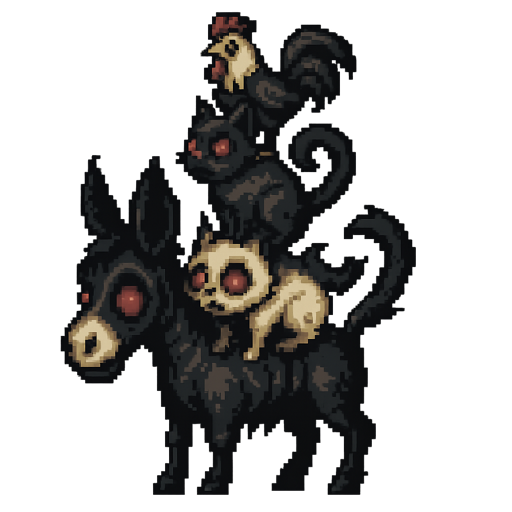
Meet the yokai of this feeling


RELATED
Related reads
 Emotional care
How to Deal With People You Hate — Setting Boundaries and Naming What You Feel
The people you can't stand only wear you down more the longer you put up with them. Here is how to keep your distance without forcing yourself to like them, and how to safely let the resentment go.
 Emotional care
Can't Say No to Invitations? Write Out the Truth You Held Back
You don't feel like going, but you can't say no, and you regret it once you're there. When the stress of never declining wears you down, here is how to face the guilt and safely write out the truth you swallowed.
 Emotional care
Worn Out by Condescending People? Answer Back in Your Head and Let It Go
They compete with you every time you meet and quietly talk down to you. When condescending people wear you out, here is how to let it slide without taking the bait, and how to safely release the frustration you swallowed.