What Is Black Magic? Its Difference from White Magic, and Its History as Culture
Black magic, familiar from films and stories, is described as magic meant to harm others — contrasted with white magic, aimed at healing and protection. Here is what the concept means, why the black/white line is blurry, its history through grimoires and witch hunts, and parallels worldwide (this is not a guide to practicing it).
By Katsuki Mitsumori
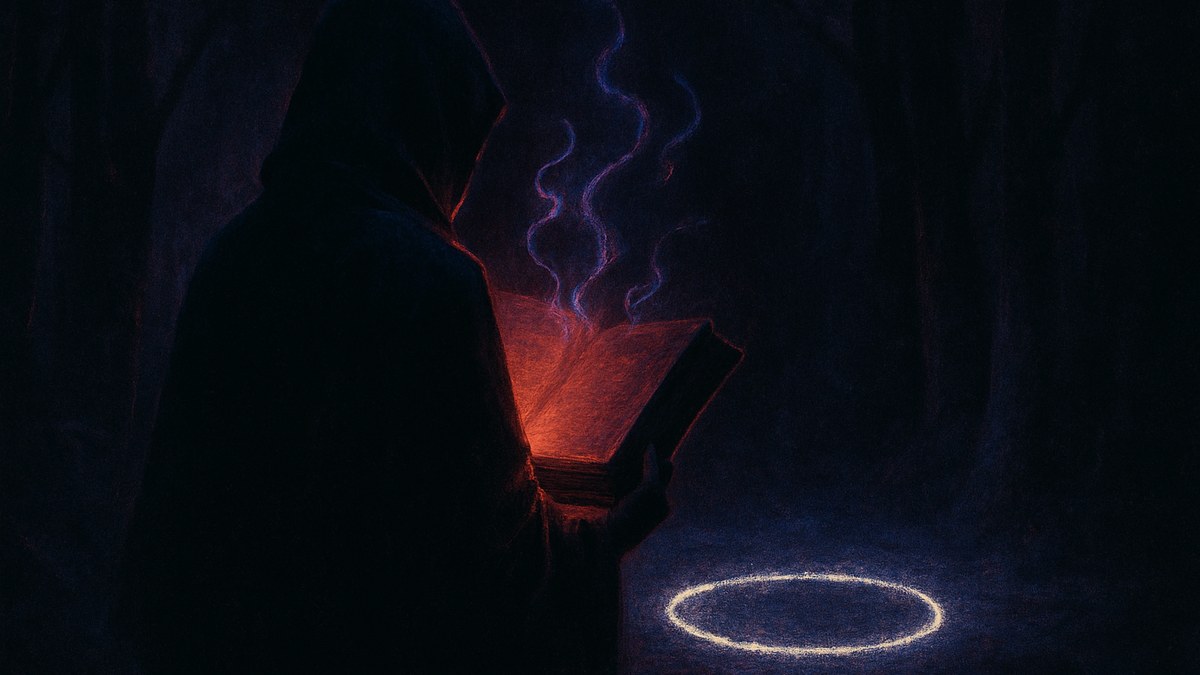
Witches, incantations, forbidden books. The phrase "black magic" is familiar to many through stories and films. Yet we rarely stop to sort out what the concept actually points to. Here we explain what "black magic" means, and how it has been told within history and culture. Note that this article introduces culture and history only; it does not encourage harming others or practicing anything, and it offers no procedures of any kind.
What black magic is
Black magic, broadly speaking, is a concept for magic said to be performed to harm others or for aims held to be morally wrong. Bringing calamity to a person, bending them against their will, taking revenge — these are the sorts of aims tied to it.
What matters is that this is less an established, real technique than a cultural category — "magic with a bad aim." What counts as "black" has wavered from age to age and society to society. For the wider practice of charms and spells, see also what majinai means.
The contrast with white magic
Black magic is often spoken of paired with "white magic." White magic is cast for good ends: healing, protection, inviting fortune. In other words, what separates the two is less the content of the act than the good or ill of its aim.
Another well-known split is by the source of the power. Borrowing from holy forces such as angels is white; borrowing from evil forces such as demons is black. Whichever split you use, the shared point is that "white" and "black" are decided not by the nature of the act itself but by where it is aimed.
The line between "white" and "black" is blurry
This dividing line is not absolute. One reference notes that the split between sacred and evil, white and black, "is swayed by each person's faith and ethics." The same act can appear good or evil depending on whose side you view it from.
One person's "charm to protect myself" can look like a "curse" to another. A prayer to drive off an enemy is, from the enemy's side, black magic. Understanding "black" and "white" as strictly relative labels lets you read the stories of magic with more nuance.
Black magic within history and culture
The idea of harmful magic is said to reach back to ancient Egypt and Mesopotamia, and it appears in folk belief the world over. In Europe, books recording magical knowledge and rites — called grimoires — were handed down from the medieval into the early modern period.
Early modern Europe also produced the tragic history of the witch hunts, an age when people suspected of using black magic were persecuted without grounds. The instinct to explain illness, failed harvests, or misfortune of unknown cause as "someone's black magic" became a blade that cornered the innocent. This history, too, teaches us the danger carried by the very story of black magic.
Parallel concepts worldwide, and their psychology
The notion of harmful sorcery is not confined to any one culture. Japan's ushi-no-koku-mairi and straw dolls, Western curse dolls, and beliefs in the "evil eye" across the world — the imagining that "malice reaches a target through an unseen force" is fairly universal to humankind.
Such tellings often worked as a vessel for people's anxiety and fear. Giving the name "curse" to an inexplicable misfortune creates a place for the heart to settle. The stories around black magic reflect the human urge to understand calamity and somehow master it.
Turning "ill will" toward the page, not another person
Behind the endless retelling of black magic lies a very human feeling: the wish to aim one's resentment somewhere. But if that ill will is actually turned on another person, the one hurt is them — and, in turn, yourself. As the witch hunts show, feelings around cursing can also work to ruin people.
Noroi Nikki is a place to aim that homeless ill will and grudge at your own diary rather than at another person. Saved journal text is not public to other users. Setting down the dark thing you carry, without hurting anyone — that is one safe way of doing it in the present day.
Related reading: What Is a Katashiro? The Purification Custom of Entrusting Defilement to a Substitute Doll
FAQ
Frequently asked questions
Q.What is black magic?
Black magic is a concept referring to magic said to be performed to harm others or for aims considered morally wrong. It is spoken of in contrast to white magic, which aims at healing, protection, or good fortune. But the black/white distinction is relative, shifting with culture and viewpoint, with no absolute dividing line. This article explains culture and history; it does not encourage practice.
Q.What is the difference between white and black magic?
Generally they are distinguished by the good or ill of their aim. Magic meant to heal, protect, or bring fortune is often called white; magic meant to harm or curse is called black. Another common split is by the source of power — borrowing from evil forces such as demons is black, from holy forces such as angels is white. Even so, the same act can look good or bad depending on whose side you take, so the distinction is only a rough one.
Q.Does black magic really work?
There is no scientific confirmation that black magic has real effects. Historically, it has partly functioned as a framework for explaining illness or misfortune of unknown cause as "someone's curse." What we cover here is how such beliefs and stories have been positioned within culture — not encouragement to harm anyone.
About the author
Katsuki Mitsumori三森 捷暉
CEO, SURISUTA K.K. / Operator of Doya Marke AI
Runs Doya Marke AI, a suite of practical AI services spanning content, ads, sales and HR, and hosts the YouTube channel 'SaaS wa Shinimasshen.' Creator and developer of Noroi Nikki, an app for writing out and letting go of emotions.
This article explains folklore, language and culture. It is not medical, legal or religious advice. Traditions are introduced as culture, not as instructions to harm anyone. Claims without a source are marked as popular belief.
RELATED
Related reads
 Folklore of curses
What Is Jorei? Spirit Exorcism, How It Differs from Oharai, and the Folklore Behind It
What is jorei (spirit exorcism)? A folklore-and-culture explanation of its meaning, how it differs from oharai and jorei-as-pacification, and how spirits and curses have been understood in Shinto, Buddhism, and folk belief. Not an endorsement of any practitioner or rite.
 Folklore of curses
What Is Hyakki Yagyo? Japan's Night Parade of One Hundred Demons, Explained
What is hyakki yagyo? A folklore-and-culture explanation of Japan's night parade of demons — the tales in Konjaku Monogatari and Uji Shui Monogatari, the Muromachi picture scrolls, the link to tsukumogami, and what was said to happen if you met it. Lore only.
 Folklore of curses
What Is Kodoku? Japan's Outlawed Insect Curse, Explained
What is kodoku? A folklore-and-history explanation of the sorcery said to have reached Japan from China — the character for ko, the Han-dynasty witchcraft scandals, the Ritsuryo law that made "kodoku enmi" a capital crime, and the link to inugami possession lineages. Lore only.