Anxious Attachment in Relationships: Calm the Fear You Can't Say Out Loud by Writing It Down
A late reply is all it takes to spiral, and when you finally voice it you're told you're "too much." Here's why relationship anxiety grows so heavy, and how to calm it by writing it in a journal before you send it to your partner.
By Katsuki Mitsumori

The message you sent still hasn't been read. What are they doing right now? Have they grown tired of you? Inside your head, the worst-case scenarios swell. Before you know it you're gripping your phone, typing a follow-up message, deleting it, typing it again, deleting it again. Every time you fall for someone, don't you spend a night like this?
And when you finally work up the nerve to say how you feel, what comes back is, "You're kind of a lot." Said without malice, that one line hands the blame right back to you. In this article we'll gently unpack why relationship anxiety grows so heavy, and share how to calm it by writing it down before you unload it onto your partner.
Why relationship anxiety turns "heavy"
When you fall for someone, most people feel some anxiety. But when that anxiety swells to the point of being called "too much," a can't-help-but-check habit of mind is usually at work.
A slow reply, a curt word, the timing of a read receipt. Changes that are, in truth, trivial get picked up by your mind as omens of abandonment. To quiet the fear, you can't help asking, "What are you doing right now?" or "Are you mad?" Checking once may bring relief, but repeated, it becomes a burden on your partner, invites a cooler response, and deepens the anxiety further — you enter a loop where the more you check, the more anxious you become.
So the "heaviness" isn't your affection itself. It's the circuit of trying to resolve anxiety by aiming it at your partner. Once you can separate the two, the target of your self-blame shifts.
Being told you're "too much" doesn't make you wrong
When someone calls you "too much," it can feel like your feelings themselves have been rejected, until the whole idea of loving someone turns frightening. But feeling anxious is not a flaw in you. It's proof that you treasure the person and dread losing them.
The problem isn't your personality — it's where the anxiety goes. Unload it straight onto your partner and they become a device for your reassurance, wearing you both down bit by bit. That's why what matters isn't giving up on love, or forcing a calm face, but setting up a safe place to process the anxiety that lives outside your partner.
Aim the anxiety at a journal, not your partner
The moment the anxiety rises, try opening your journal instead of your contacts. "It's scary that it's still unread." "Their reply is shorter than yesterday — maybe they're sick of me." "I actually want to see them more, but I can't say it." Write down the words that come, unadorned, exactly as they are. You aren't sending it to anyone, so it can be as pathetic or as "heavy" as it needs to be.
As you write, the momentum of the anxiety gradually settles. The moment a feeling becomes words and gets out, you can loosen the grip you'd been holding it with. And once you've finished writing, "this doesn't need checking right now" and "what I truly want to say" begin to separate within you.
For instance, beneath the urge to send "what are you doing?", you notice a real feeling hiding: "I'm scared of being left alone." That truth can't be filled by interrogating your partner. Receiving it yourself, first, is the shortest path to stopping the barrage of check-in messages.
Put one beat before you send
The more anxious you are, the more you want to fire off a message on impulse. That's where a small rule helps: insert one beat of writing before you hit send. Share only what you still want to say after writing, in calm words. If writing leaves you feeling "I've processed this on my own," you don't have to send anything at all. That single beat moves you, little by little, further from being "the heavy one."
You don't have to reduce anxiety to zero. Learning to hold anxiety without aiming it at your partner — that is considered the foundation for a relationship that stays calm and lasts.
When the distress continues
If relationship anxiety leads to low mood or sleeplessness that lasts a long time, or you find yourself harshly self-blaming, it's generally considered a sign to talk to a professional such as a doctor or mental health specialist without toughing it out. The more anxious you are, the more you tend to wear yourself down inside a relationship. The methods here are everyday self-care and not a substitute for medical judgment.
Venting as a "curse" is allowed too
Trying to tidy your anxiety into "I'm just overthinking" or "it's my fault" leaves the swallowed feeling, once again, with nowhere to go. There's no need to force yourself to be positive or to fake being fine.
Noroi Nikki is an app for those anxious nights. Saved journal text is not public to other users. Before you interrogate your partner, set the feeling down here, and let the grip in your hand loosen just a little.
References
- Hazan, C., & Shaver, P. (1987). Romantic love conceptualized as an attachment process. Journal of Personality and Social Psychology, 52(3), 511-524. A foundational study framing adult romantic relationships through attachment, examining how the intensity of anxiety shapes the way people experience a relationship.
FAQ
Frequently asked questions
Q.Why does my anxiety in relationships get so "heavy"?
It's linked to a habit of reading tiny changes in your partner's replies or tone as a sign of being abandoned. The stronger the anxiety, the more you feel you have to check, and the more often you push those feelings onto your partner. When the amount exceeds what they can hold, it can come across as being 'too much.'
Q.I was told I'm too clingy. Is it my fault?
Feeling anxious is not a flaw in you. It's also proof of how much you value the person. The trouble is unloading the anxiety directly onto your partner over and over, which drains you both. It helps to blame not your personality but where the anxiety is being aimed.
Q.How do I calm the anxiety without saying it to my partner?
You can write the anxiety out, in a space for your own writing, before you hit send. Putting down 'I'm scared there's no reply' or 'I feel like they hate me' as-is gives the feeling some distance and softens the urge to message on impulse. Afterward you can choose to share only what you truly still want to say.
Q.What if relationship anxiety disrupts my daily life?
If low mood or anxiety lasts a long time and you can't sleep, can't focus on work or life, or harshly blame yourself, it's generally considered a sign to talk to a professional such as a doctor or mental health specialist. The methods here are everyday self-care and not a substitute for medical judgment.
About the author
Katsuki Mitsumori三森 捷暉
CEO, SURISUTA K.K. / Operator of Doya Marke AI
Runs Doya Marke AI, a suite of practical AI services spanning content, ads, sales and HR, and hosts the YouTube channel 'SaaS wa Shinimasshen.' Creator and developer of Noroi Nikki, an app for writing out and letting go of emotions.
This article explains folklore, language and culture. It is not medical, legal or religious advice. Traditions are introduced as culture, not as instructions to harm anyone. Claims without a source are marked as popular belief.
ZUKAN
Meet the yokai of this feeling



RELATED
Related reads
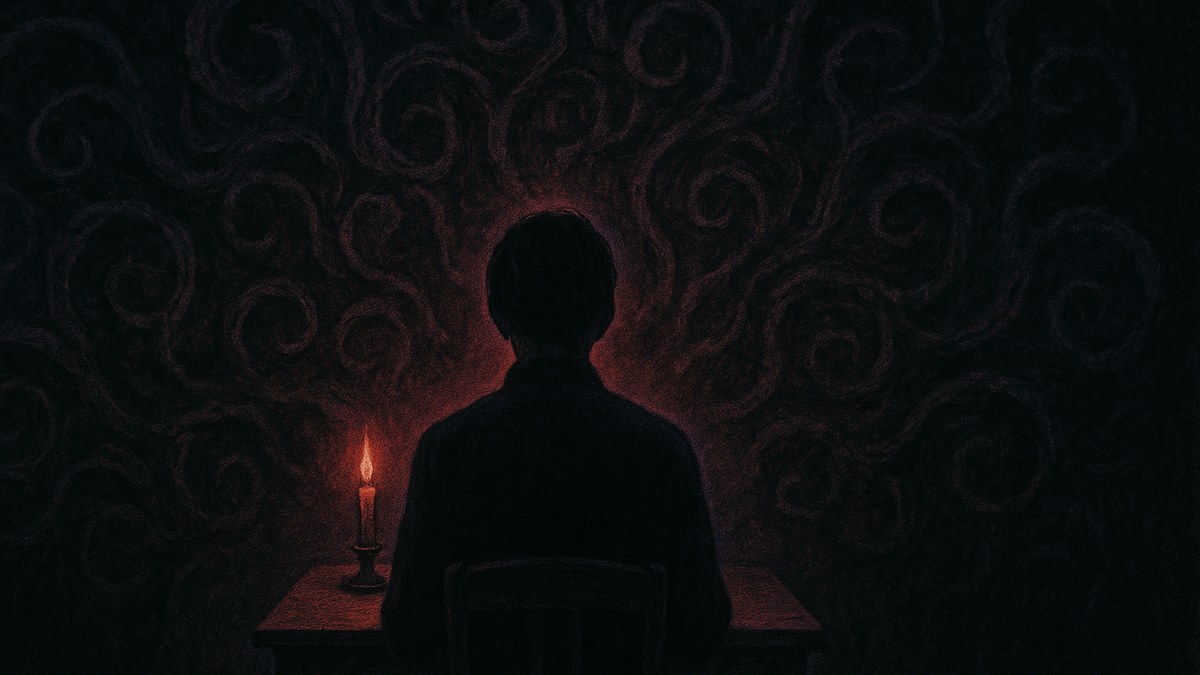 Emotional care
Suspecting Your Partner Is Cheating? Write the Racing Thoughts to Settle Them
Their phone, their late nights — the suspicion won't leave your head. Checking brings no relief, and you hate yourself for doubting. Here's how to honor the rumination of cheating suspicion instead of denying it — writing it in a space you do not share with the person involved, taking distance, and settling a little.
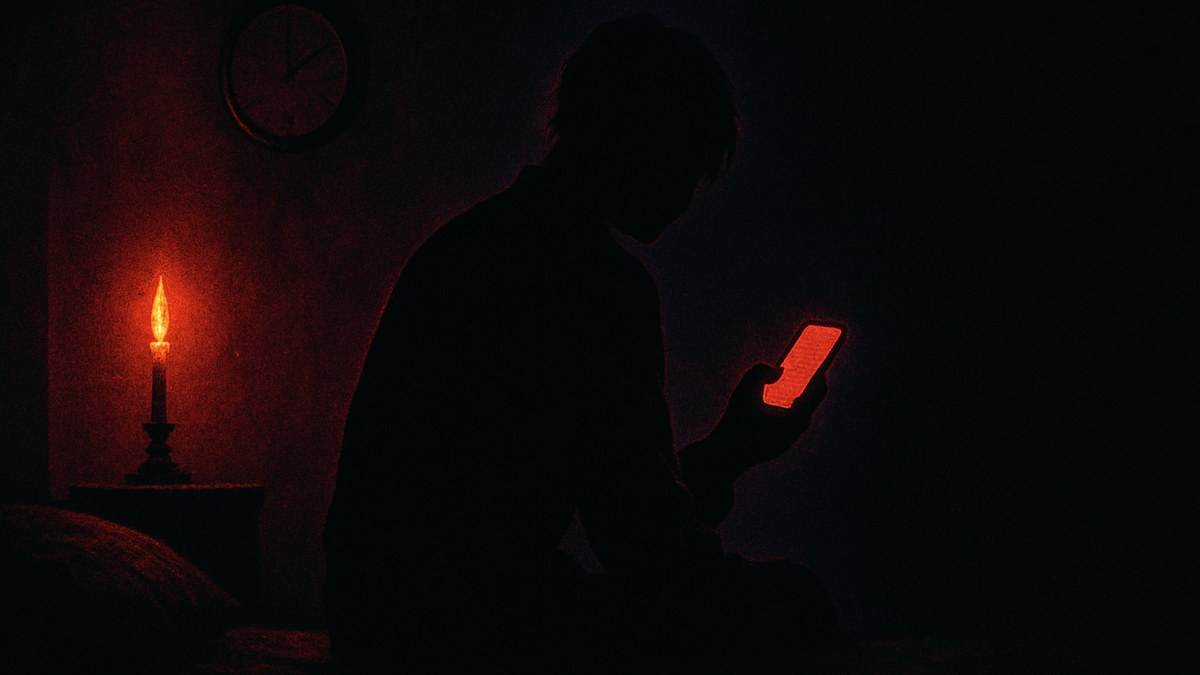 Emotional care
Left on Read and Spiraling: Writing to Distract Yourself While You Wait for a Reply
The message is read, but no reply comes, and you invent reasons until the unease won't stop. Here's how to ease the anxiety of waiting for a reply and distract yourself by writing before you interrogate your partner.
 Emotional care
How to Calm Anxiety When You Can't Even Name It: Quick Relief and Writing to Get Distance
A restless unease you can't quite explain, and it won't go away. Here are simple ways to calm anxiety right now — breathing and grounding — plus how to write your worries down to create distance from them.