How to Make Time to Face Your Own Emotions and Notice What You Really Feel
The days rush by so full that you can't tell what you actually feel anymore. Here's how to make time to face your own emotions through writing — from why we lose touch with ourselves, to a few-minute prompt practice for noticing your true feelings.
By Katsuki Mitsumori
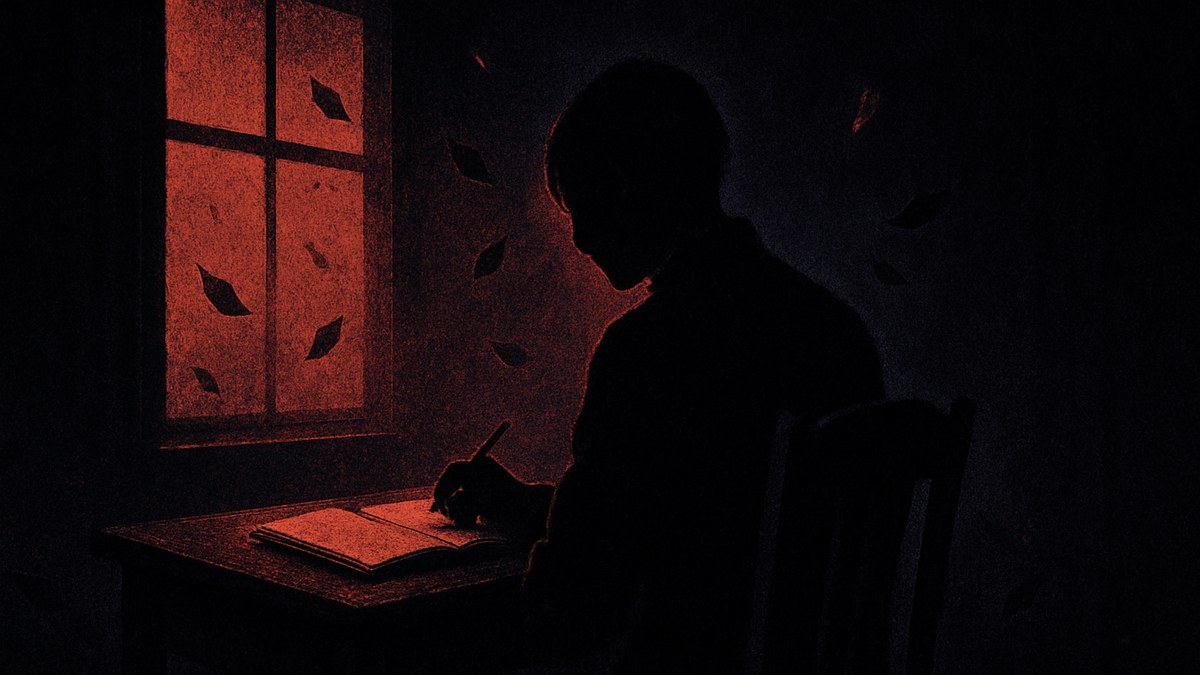
From the moment you wake until you fall asleep, the day passes chased by things you have to do. Work emails, chores, exchanges with people — just getting through the tasks in front of you takes everything you have, and when you finally pause, you can't remember how you even felt today. Whether it was fun, whether you were tired, what bothered you. It's your own life, yet it's as unreadable as a stranger's. Have you ever felt that way?
Time to face your own emotions is easily drowned out by daily busyness unless you deliberately make it. This article walks you through how to make that time through writing — from why we lose touch with ourselves, to concrete prompts for noticing your true feelings.
Why we lose touch with our own feelings
Day after day, we move by putting others' circumstances and reactions ahead of our own feelings. Taking care not to anger anyone, not to break the mood, we tend to leave how we actually feel for later. When this continues, the very circuit for checking "my own feelings" is said to gradually dull.
On top of that, modern life leaves little quiet time alone. The moment your hands are free you open your phone, and information and other people's lives pour in without pause. When your head is filled with stimulation from outside, the small voice within becomes inaudible. Losing touch with yourself isn't about weak will — it's that the time to face yourself has been structurally taken away.
First, secure "a few uninterrupted minutes"
Facing your emotions needs no long stretch of time or special place. What matters is to secure a short, uninterrupted window first. Before bed, on the commute, in the bath — decide on a few minutes when you can be alone, and turn off your phone's notifications.
Trying to carve out a full hour won't hold up on busy days. It's far more realistic to decide "these few minutes go inward" — and it doesn't have to be daily. Just having a quiet few minutes with no alerts sounding lets the attention that was aimed outward return inward on its own. In that state, write out what's in your heart.
Prompts for noticing your true feelings
Even when you sit down to face yourself, "not knowing what you feel" is common. At those times, the trick is to start writing from small, concrete prompts rather than big questions.
- Which moment today moved you, even slightly? Recall the faint reaction that comes before clear joy or dislike.
- What did you actually want to happen then? A true feeling often hides in the wish you swallowed.
- What do you least want to think about right now? What you're avoiding is often the very core worth facing.
You don't have to produce answers. If you don't know, writing "I don't know" is itself a step toward facing yourself. Without judging, just write and confirm. That alone gradually brings the outline of your true feelings into view.
When facing yourself becomes hard
Facing yourself can touch feelings you didn't want to see and make things temporarily hard. When that happens, don't force yourself deeper — it's fine to stop writing for now. Facing yourself is time to feel lighter, not to corner yourself. It's different from reflection meant to blame.
If a low mood lasts a long time, or the pain grows each time you face yourself, it's considered important not to carry it alone but to lean on a professional such as a clinic or a support line. Facing yourself through writing is everyday self-care, and the premise is not to push yourself when the pain runs deep.
The "curse" words may be your true feeling
Facing yourself might bring to mind gaining a positive insight. But what surfaces from within isn't only clean words. "I truly can't forgive this." "I don't want to keep trying anymore." Such dark words can be exactly the undressed truth.
Noroi Nikki is an app that catches those true feelings. Saved journal text is not public to other users. Noticing your undressed true feeling — that is the real point of time spent facing yourself.
References
- James W. Pennebaker, Opening Up: The Healing Power of Expressing Emotions (Guilford Press, 1997). A foundational body of research examining how writing out one's inner experience, known as expressive writing, affects mind and body.
FAQ
Frequently asked questions
Q.What does "facing your own emotions" actually mean?
It isn't a term with one right answer, but here it means quietly listening to 'how you really feel' — something busyness and other people's eyes tend to drown out. Unlike reflecting in order to blame yourself, it's time to simply confirm the feelings rising in you, without judging them good or bad. Writing them down is considered one way to give those feelings a visible form.
Q.How do I make time to face my emotions?
You don't need long stretches or a special place. Set aside a few minutes when you can be alone — before bed, on the commute — turn off your phone's notifications, and write out what's in your heart at that moment. It doesn't have to be daily. Securing a short, uninterrupted window first is said to be easier to sustain than trying to carve out a long block.
Q.What if I can't tell what my true feelings are?
Don't force an answer. Start writing from a small prompt like 'which moment today moved me even slightly?' Picking up the faint reactions that come before clear joy or dislike can gradually bring the outline of your true feelings into view. Even if it stays unclear, writing 'I don't know' is itself a step toward facing yourself.
Q.Doesn't facing my emotions just make things harder?
Touching feelings you didn't want to see can make things temporarily harder. When that happens, don't force yourself deeper — it's fine to stop writing for now. Facing yourself is time to feel lighter, not to corner yourself. If a low mood lasts a long time, it's considered important not to carry it alone but to lean on a professional or a support line.
About the author
Katsuki Mitsumori三森 捷暉
CEO, SURISUTA K.K. / Operator of Doya Marke AI
Runs Doya Marke AI, a suite of practical AI services spanning content, ads, sales and HR, and hosts the YouTube channel 'SaaS wa Shinimasshen.' Creator and developer of Noroi Nikki, an app for writing out and letting go of emotions.
This article explains folklore, language and culture. It is not medical, legal or religious advice. Traditions are introduced as culture, not as instructions to harm anyone. Claims without a source are marked as popular belief.
ZUKAN
Meet the yokai of this feeling



RELATED
Related reads
 Emotional care
Jealous of People's Lives on Instagram? Close the App Before You Compare, and Write
Travel, weddings, success announcements scrolling past your feed. The glossy posts on social media sting with envy. Here's how to close the app before you sink into comparison, and write out the envy to gain some distance.
 Emotional care
A Three-Minute Bedtime Journaling Habit: Let Go of the Day and Sleep
You get into bed but your mind is wide awake. A three-minute bedtime journaling habit helps on nights like these. Here's how to write out the feelings and worries you've stored up, empty your head, and sleep — plus how to keep the habit going.
 Emotional care
No One to Talk To About Your Problems? Make a Place to Write Your Refuge
Carrying a problem you can't confide to anyone wears you down more than you'd expect. Here's how to put those feelings into words without writing for an audience.