How to Stop Stress Eating: Write Your Feelings Down Instead of Reaching for Food
You're not even hungry, yet you find yourself reaching for something to eat. Here's what's behind stress eating, and how to put a pause — writing your feelings down before the urge — so you don't escape into food.
By Katsuki Mitsumori
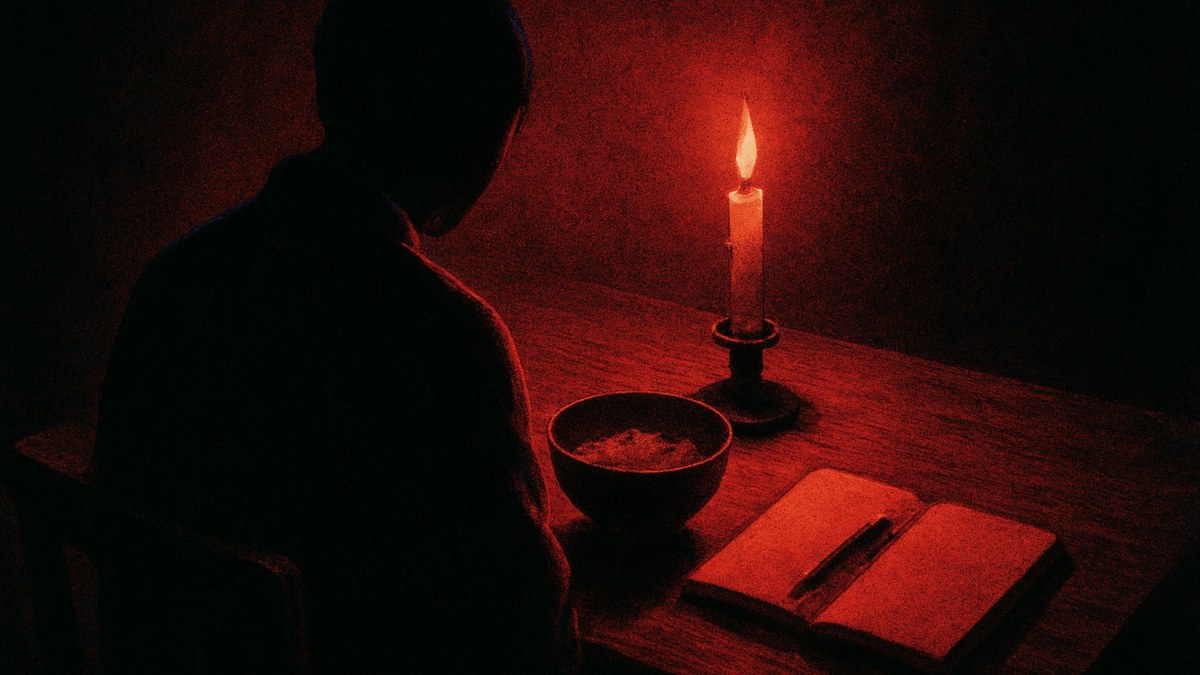
At night, you get home from work, not especially hungry, yet you find yourself standing in front of the fridge. You tear open a bag of snacks, reach for something sweet, and for as long as you're eating, you feel a little relief. But once you finish, the satisfaction is nowhere to be found — all that's left is the regret of "I did it again." Have you spent nights like that?
We tend to blame stress eating on weak willpower, but hidden behind it there's often a feeling that food can't actually fill. This article shows you how to put a pause — writing your feelings down before the urge to eat — so you don't escape into food.
Why stress leads to overeating
Under strong stress, people tend to turn to actions that shift their mood quickly, it is said. Eating is one close-at-hand way to soothe restlessness or an empty feeling right away. Sweet and fatty foods in particular lift the mood for a moment, so the harder things are, the more easily your hand reaches out.
The problem is that this satisfaction doesn't last. It distracts you while you eat, but the feeling itself isn't resolved, so before long the same urge returns. And when you blame "the self that overate," that low mood becomes fresh stress, and you eat again — an easy loop to fall into.
What matters is not treating this as a willpower issue. Overeating also means the feeling you want to fill is that strong. Rather than blaming yourself, pausing to ask "what am I trying to fill right now" makes a way out easier to find.
Telling "real hunger" from "emotional hunger"
Before eating, first try to tell whether it's physical hunger or appetite from emotion. Generally, physical hunger builds gradually and most foods satisfy it to some degree. Stress-driven appetite, on the other hand, wells up suddenly, craves specific sweet or fatty things, and leaves your heart unsatisfied even after eating.
"But I just ate," "I suddenly, desperately want something sweet," "eating didn't fill me" — at times like these, it may be a sign that your heart, not your stomach, is seeking something. This isn't a precise test, but it's a cue to pause before reaching out unawares.
Before eating, a pause to write your feelings
Trying to grit your teeth and resist the urge can backfire into eating even more. So here's what I recommend: a pause of just a few minutes to write "how I feel right now" before eating.
It's simple. When you feel like reaching for something, first write a few lines about "how do I feel." "That one comment from my boss is still stuck with me," "I feel kind of lonely," "I'm too tired to think about anything" — as you write, you may notice you weren't really hungry; you were trying to fill irritation or loneliness.
If you still want to eat after writing, that's fine. The goal isn't to forbid food, but to slightly reduce the times you escape into it unawares. Getting the feeling out first creates a new option: "there are ways to handle this feeling other than eating."
Don't blame "the self who ate"
If you don't manage to write in time and overeat, don't blame yourself harshly for it. The more you blame and sink, the easier it is to fall into the loop of eating again to fill that pain. Just noting it as an event — "I ate today; what was hard?" — is enough.
The key is not to think in all-or-nothing terms. One instance of overeating doesn't ruin everything. As the times you notice the link between urge and feeling gradually add up, the pattern of escaping into food loosens on its own.
When it's really hard, don't carry it alone
The methods here are everyday self-care. When eating you can't control continues, regret or self-loathing after eating is strong, or it disrupts your health or life — when such states persist, it's generally considered a sign to talk to a doctor or a specialist service for eating disorders rather than carrying it alone. Serious, conscientious people are especially prone to carrying this alone. When it's really hard, borrow a professional's help early.
Venting as a "curse" is allowed, too
The feelings behind an appetite aren't always tidy words. Anger at someone, going unrewarded, an unbearable loneliness — trying to reframe them into something positive only leaves them with nowhere to go.
Noroi Nikki is an app for those feelings. We built it as a place where you can let out the negative feelings you were trying to fill with food, as "curses," exactly as they are — no need to dress them up. Saved journal text is not public to other users. Tonight, before you open the fridge, first try putting that feeling into words.
References
- James W. Pennebaker, Opening Up: The Healing Power of Expressing Emotions (Guilford Press, 1997). A foundational body of research on the effects of writing out emotions, known as expressive writing.
FAQ
Frequently asked questions
Q.Is stress eating a matter of weak willpower?
It isn't just about willpower, it's said. Under strong stress, eating becomes an easy way to distract yourself and shift your mood, so people turn to it readily. Blaming yourself tends to lower your mood and lead to more eating — a vicious cycle — so rather than treating it as a willpower issue, it matters to look at the feelings underneath.
Q.When the urge to eat hits, what should I do?
Rather than forcing yourself to resist, it helps to insert a pause: spend a few minutes writing 'how do I feel right now' before eating. As you write, you may notice 'I wasn't really hungry — I was trying to fill irritation or loneliness.' If you still want to eat, that's fine. The goal isn't to forbid food, but to reduce escaping into it unawares.
Q.How can I tell real hunger from stress-driven appetite?
Generally, physical hunger builds gradually and is satisfied by most foods, whereas stress-driven appetite wells up suddenly, craves specific sweet or fatty things, and leaves you unsatisfied even after eating. It's only a rough guide, but if you suddenly crave a specific thing and stay unsatisfied, that's a cue to pause and consider it may come from emotion.
Q.What if binge eating is distressing and I can't stop?
If eating you can't control continues, with strong regret or self-loathing afterward, or it disrupts your health or life, it's generally considered a sign to talk to a doctor or a specialist service for eating disorders rather than toughing it out alone. The methods here are everyday self-care and not a substitute for professional treatment.
About the author
Katsuki Mitsumori三森 捷暉
CEO, SURISUTA K.K. / Operator of Doya Marke AI
Runs Doya Marke AI, a suite of practical AI services spanning content, ads, sales and HR, and hosts the YouTube channel 'SaaS wa Shinimasshen.' Creator and developer of Noroi Nikki, an app for writing out and letting go of emotions.
This article explains folklore, language and culture. It is not medical, legal or religious advice. Traditions are introduced as culture, not as instructions to harm anyone. Claims without a source are marked as popular belief.
ZUKAN
Meet the yokai of this feeling


RELATED
Related reads
 Emotional care
Can't Be Genuinely Happy for a Friend's Success? Write the Mixed Feeling and Own It
It's your dear friend's good news, yet envy aches deep down. You want to be glad but can't, and guilt swells. Here's how to own the tangle of friendship and envy — writing it out instead of denying it — and sort it through.
 Emotional care
Raised Being Compared to Your Siblings? Write the Feelings You Buried
'Your brother could do it.' 'Be more like your sister.' The pain of being compared to siblings doesn't fade in adulthood. Here's how to honor that wound instead of denying it — writing it for yourself, and letting it go, little by little.
 Emotional care
What Are the Signs You've Hit Your Stress Limit? Writing to Notice Your Inner Voice
When you push too hard, you can miss that you've already reached your limit. Here are the signs of stress overload that show up in your mind, body, and behavior, and a self-check you can do by writing your inner voice down to notice them early.