What Is Kimon? Japan's Demon Gate Direction and Ura-Kimon, Explained
What is kimon, the Japanese "demon gate"? A folklore-and-culture explanation of why the northeast was shunned, its relation to ura-kimon in the southwest, the ox-and-tiger origin of the demon's horns and tiger-skin, and the kimon wards of Kyoto and Edo. Lore only.
By Katsuki Mitsumori
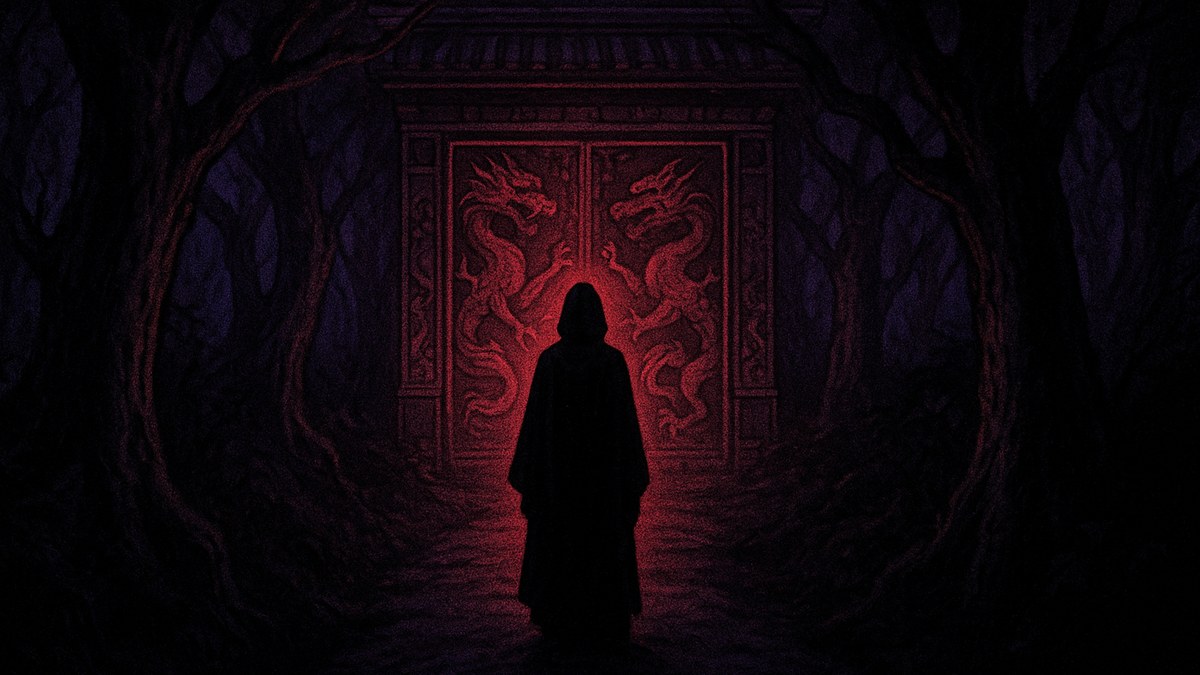
Build a house in Japan, or decide where the rooms go, and sooner or later someone will say "not that way — that's the kimon." Kimon, the demon gate, is an idea about direction that Japanese people have worried over for more than a thousand years.
This article explains which direction kimon is, why the northeast came to be shunned, how it relates to ura-kimon, and what kimon-yoke wards are — purely as a matter of folklore and culture.
Which direction kimon is (the meaning)
Kimon means the northeast. Lay the twelve zodiac animals over the compass and the northeast falls exactly between the Ox (ushi) and the Tiger (tora), which is why it is also called the ushitora bearing. True to the characters — "demon gate" — it was long avoided as the direction through which misfortune enters.
Directly opposite, the southwest, is the ura-kimon, the back demon gate, and was watched just as closely. The line joining the two is the "kimon line," and house-siting lore advised against placing an entrance or plumbing along it.
Origins — from a Chinese "gate of the dead" to onmyodo
Trace the idea back and you arrive at an old Chinese account: on Mount Dosaku in the eastern sea stood a vast peach tree, and beneath its northeastern branch was the gate through which oni — here meaning the spirits of the dead, not horned monsters — passed in and out.
Carried to Japan, this merged with the directional thinking of onmyodo. In that scheme the northeast is where the yin energy of night begins to stir: a bearing not yet settled, and therefore unstable. Add the practical experience of bitter winter winds out of the northeast, and idea and sensation reinforced each other until the northeast was firmly the direction to be careful about.
Ushitora and the shape of the demon — horns and tiger skin
Picture a Japanese demon and you get horns on the head and a tiger-striped loincloth. A well-known reading traces that costume straight to the kimon bearing: the northeast lies between Ox and Tiger, so the demon wears the ox's horns and the tiger's hide.
By the same reading, Momotaro defeats the demons with a monkey, a pheasant and a dog because Monkey, Rooster and Dog line up on the ura-kimon side of the zodiac. Most scholars regard these as later interpretations rather than established history, but they show neatly how far the logic of direction reached into storytelling.
Warding the capital — Mount Hiei and Kan'ei-ji
Kimon thinking shaped whole cities. In Heian-kyo (Kyoto), Enryaku-ji was sited on Mount Hiei to the northeast and said to guard the capital's demon gate. In Edo, Kan'ei-ji was raised at Ueno, northeast of the castle, and given the same role.
Among ordinary households, kimon-yoke customs included planting nandina or holly at the northeast corner, setting out a cone of salt, or pasting up an ofuda. Like oharai purification and protective gofu, these are forms of prayer meant to keep misfortune at a distance before it arrives. No effect has been demonstrated; they survive as customs of belief and folklore.
The kimon of time — the link to ushimitsudoki
Ushitora is a bearing, but it is also an hour. The join between the hour of the Ox (about 1 to 3 a.m.) and the hour of the Tiger (3 to 5 a.m.) is, in effect, a demon gate in time. That ushimitsudoki, the darkest point of the night, became the hour of the uncanny is not unrelated to this directional scheme. As with omagatoki at dusk, it is the instability of a boundary that drew the dread.
Not worth agonising over — a modern view
House-siting lore still comes up when people choose a home or plan a move. But if worrying about kimon cramps a floor plan or sets a family arguing, the point has been lost. These rules began largely as practical wisdom about wind direction and sunlight, packaged in a form easy to remember.
There is no need to dismiss the worry itself. But when the anxiety starts to swell and press on daily life, it helps to put it into words and let it out.
Rather than the bearing, settle which way your heart faces
Kimon and ura-kimon are, at bottom, expressions of a wish to keep harm away. Everyday anxieties and unspoken grudges work the same way: left alone, they slowly bend which way your heart faces.
Noroi Nikki is a private app for writing out exactly those negative feelings you cannot say to anyone, and quietly setting them down. Saved journal text is not public to other users. You choose whether to share a curse card. If what you want to clear is not a direction but a weight in your chest, start by writing it out.
For more on bearings and hours in folklore, see what time ushimitsudoki is and what yaku-otoshi means.
FAQ
Frequently asked questions
Q.Which direction is kimon?
Kimon means the northeast. When the twelve zodiac signs are laid over the compass, the northeast falls between the Ox (ushi) and the Tiger (tora), so it is also called the ushitora direction. It was shunned as the gate through which demons come and go. The opposite side, the southwest, is called ura-kimon, the back demon gate.
Q.Why was the northeast treated as kimon?
The idea is thought to come from an old Chinese account of a gate through which oni — the spirits of the dead — passed, which reached Japan and merged with onmyodo ideas about direction. In that scheme the northeast is where the yin energy of night begins to stir: an unsettled bearing. The harshness of winter winds from the northeast likely reinforced the wariness.
Q.What is kimon-yoke?
It is the general name for customs meant to ward off misfortune from the kimon bearing: siting a temple or shrine there, planting nandina or holly, or setting out a cone of salt. Kyoto's northeast was said to be guarded by Enryaku-ji on Mount Hiei, and Edo's by Kan'ei-ji at Ueno. These are customs of folk belief; no effect has been demonstrated.
About the author
Katsuki Mitsumori三森 捷暉
CEO, SURISUTA K.K. / Operator of Doya Marke AI
Runs Doya Marke AI, a suite of practical AI services spanning content, ads, sales and HR, and hosts the YouTube channel 'SaaS wa Shinimasshen.' Creator and developer of Noroi Nikki, an app for writing out and letting go of emotions.
This article explains folklore, language and culture. It is not medical, legal or religious advice. Traditions are introduced as culture, not as instructions to harm anyone. Claims without a source are marked as popular belief.
RELATED
Related reads
 Folklore of curses
What Is an Akuryo? Meaning, Origins, and How It Differs From a Good Spirit
What is an akuryo (evil spirit)? A folklore-and-culture deep dive into its meaning and origins — how it differs from a good spirit, evil-spirit beliefs from Christian demonology to shamanism, and Japan's onryo, tatari, goryo faith, and possessing-spirit traditions. Not a claim that spirits are real.
 Folklore of curses
What Is Noroi-gaeshi? The Meaning of Japan's 'Curse Rebound' Folklore
What is noroi-gaeshi (the curse rebound)? A folklore-and-culture explanation of its meaning, the ushi no koku mairi legend that "if you're seen, it returns to you," and why it has long been feared. Not a how-to, and not something we encourage doing.
 Folklore of curses
What Is Hyakki Yagyo? Japan's Night Parade of One Hundred Demons, Explained
What is hyakki yagyo? A folklore-and-culture explanation of Japan's night parade of demons — the tales in Konjaku Monogatari and Uji Shui Monogatari, the Muromachi picture scrolls, the link to tsukumogami, and what was said to happen if you met it. Lore only.