What Is an Akuryo? Meaning, Origins, and How It Differs From a Good Spirit
What is an akuryo (evil spirit)? A folklore-and-culture deep dive into its meaning and origins — how it differs from a good spirit, evil-spirit beliefs from Christian demonology to shamanism, and Japan's onryo, tatari, goryo faith, and possessing-spirit traditions. Not a claim that spirits are real.
By Katsuki Mitsumori
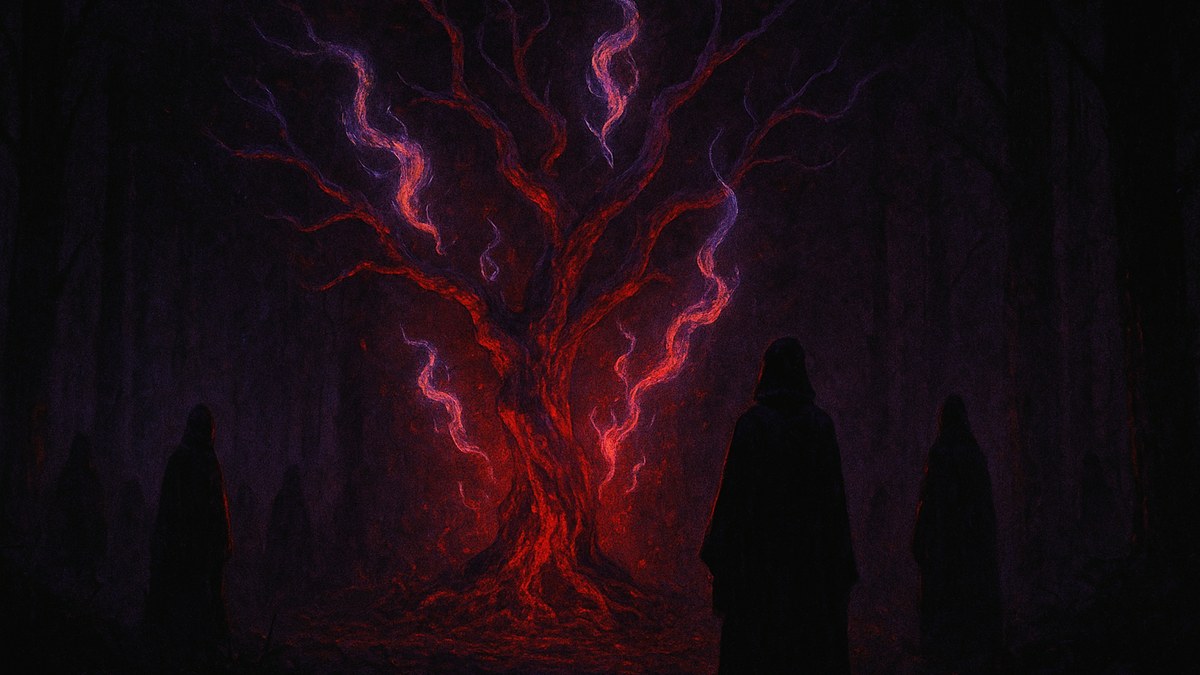
The word "akuryo" is familiar from ghost stories and fiction, depicted as a terrifying being that brings calamity on people. Behind it lies a long history of belief and folklore across the world. This article explains what an akuryo is — its meaning and origins, how it differs from a good spirit, and evil-spirit beliefs in the world and in Japan — purely as a matter of folklore and culture. It makes no claim that spirits are real.
What an akuryo means
An akuryo (evil spirit) is a term for a spirit said to bring calamity, misfortune, or illness upon people. It is the counterpart of the "good spirit" said to bring blessings and protection, an idea found widely across the world's religions and folk beliefs. In Japan it has been passed down overlapping with the "onryo" — the spirit of one who died bearing a grudge and works harm — and the "tatari," or curse, that follows. That it is imagined as something evil set against the gods and buddhas, standing outside the community and threatening its order, is common to East and West alike. It is a cultural telling, not a verified fact.
Good spirit and evil spirit — how spirits are divided
Many cultures have divided spirits into "those that harm people" and "those that bring fortune." What is striking, though, is that quite a few cultures hold that the same spirit becomes a guardian deity if properly enshrined, and works calamity if treated poorly. The line between good and evil is not fixed but shifts with how the living face that spirit — a view seen strongly in Japanese ideas of the divine. This "ambivalence," in which the more fearsome a being, the greater the protection it grants when enshrined with care, is one hallmark of the Japanese view of spirits.
Evil-spirit beliefs around the world
Fear of spirits that bring calamity appears East and West alike. In Western Christian culture, evil spirits were often unified as "demons" and systematized as an absolute evil headed by the fallen angel Satan; there is also a history of pagan gods being reread as demons. Buddhism, by contrast, places the evil spirit too under the law of cause and effect, treating it less as something to be forced down by power than as something to be reconciled with and saved through memorial rites. Across Southeast Asia, Africa, and elsewhere, cultures of sorcerers and diviners soothing and driving off evil spirits are widespread. How a society situates evil is also a mirror of its worldview.
Japan's evil-spirit view and the goryo faith
In Japan, the "goryo faith" is known as a response to spirits that work calamity. Figures said to have met an untimely, unjust death bearing a fierce grudge were deliberately enshrined lavishly as deities, to turn their power into protection. The Tenjin faith enshrining Sugawara no Michizane is a widely known example. Foxes, snakes, the inugami, and living spirits — the "possessing spirits" (tsukimono) — were also at times called evil spirits. Behind evil-spirit belief lies a kind of wisdom for calming fear so that the living can go on.
Hatred like an evil spirit — write it out and let it go
The lore of the akuryo indirectly mirrors how deep-rooted human resentment and fear can be. Fierce hatred toward someone can swell within you until you dwell on that person "like an evil spirit." Just as the goryo faith first "faced a fearsome being, gave it a name, and enshrined it" in order to soothe it, so too a churning emotion becomes a little more manageable when you first put it into words and let it out. But there is no need to hurl that feeling into real action.
Saved journal text in Noroi Nikki is not public to other users. Put the hatred churning in your chest into words first, and let it out little by little.
For related lore, see also what an onryo is and what the goryo faith is.
FAQ
Frequently asked questions
Q.What does akuryo mean?
An akuryo (evil spirit) is a term for a spirit said to bring calamity or misfortune upon people, the counterpart to a benevolent spirit that brings blessings. The idea is found widely in religions and folk beliefs around the world, and in Japan it overlaps with notions of the onryo (vengeful spirit) and tatari (curse). It is folklore and culture, not something whose existence has been verified.
Q.How is an akuryo different from a good spirit?
In much lore, a spirit said to harm people is called an evil spirit, and one said to bring fortune or protection a good spirit. Yet many cultures hold that the same being can turn good or evil depending on how it is enshrined and treated, so the line between the two is not always fixed.
Q.How were evil spirits believed to be pacified?
In Japan, the goryo faith is known — the idea of enshrining a calamity-bringing spirit lavishly as a deity to turn its power into protection. Around the world, too, cultures widely sought to soothe spirits through memorial rites, prayer, and ceremony. These are matters of belief and folklore, not a recommendation of any actual exorcism method.
About the author
Katsuki Mitsumori三森 捷暉
CEO, SURISUTA K.K. / Operator of Doya Marke AI
Runs Doya Marke AI, a suite of practical AI services spanning content, ads, sales and HR, and hosts the YouTube channel 'SaaS wa Shinimasshen.' Creator and developer of Noroi Nikki, an app for writing out and letting go of emotions.
This article explains folklore, language and culture. It is not medical, legal or religious advice. Traditions are introduced as culture, not as instructions to harm anyone. Claims without a source are marked as popular belief.
RELATED
Related reads
 Folklore of curses
What Is Omagatoki? Japan's Other Witching Hour at Dusk, Explained
What is omagatoki, and what time is it? A folklore-and-culture explanation of Japan's dusk "hour of meeting spirits" — the alternate writing "omagatoki, the hour of great calamity," its link to tasokare (twilight), and how it differs from ushimitsudoki. Lore only.
 Folklore of curses
What Is a Fuyurei? Japan's Wandering Spirit vs. the Jibakurei, Explained
What is a fuyurei, the Japanese "drifting spirit"? A folklore-and-culture explanation of what it means, how it differs from a jibakurei bound to a place, the Buddhist idea of jobutsu behind both, and how to read claims that some people attract them. Lore only.
 Folklore of curses
What Is a Jibakurei? Meaning, Traits, and How It Differs From a Wandering Spirit
What is a jibakurei (earthbound spirit)? A folklore-and-culture deep dive into its meaning, the lore of a spirit "bound to the land," how it differs from wandering and background spirits, the modern haunted-spot narrative, and why people feel a will can linger in a place. Not a claim that spirits are real.