The Meaning of Sai no Kawara — The Riverbank Where Children Stack Stones
Sai no Kawara is the riverbank of the dead, on the shore of the Sanzu River, where children who died young are said to stack stones. This piece explains the origin of the word, why the children stack stones, the demons who knock the towers down, Jizo's salvation, and the real Sai no Kawara sites that survive today — then bridges to Yurusen.
By Katsuki Mitsumori
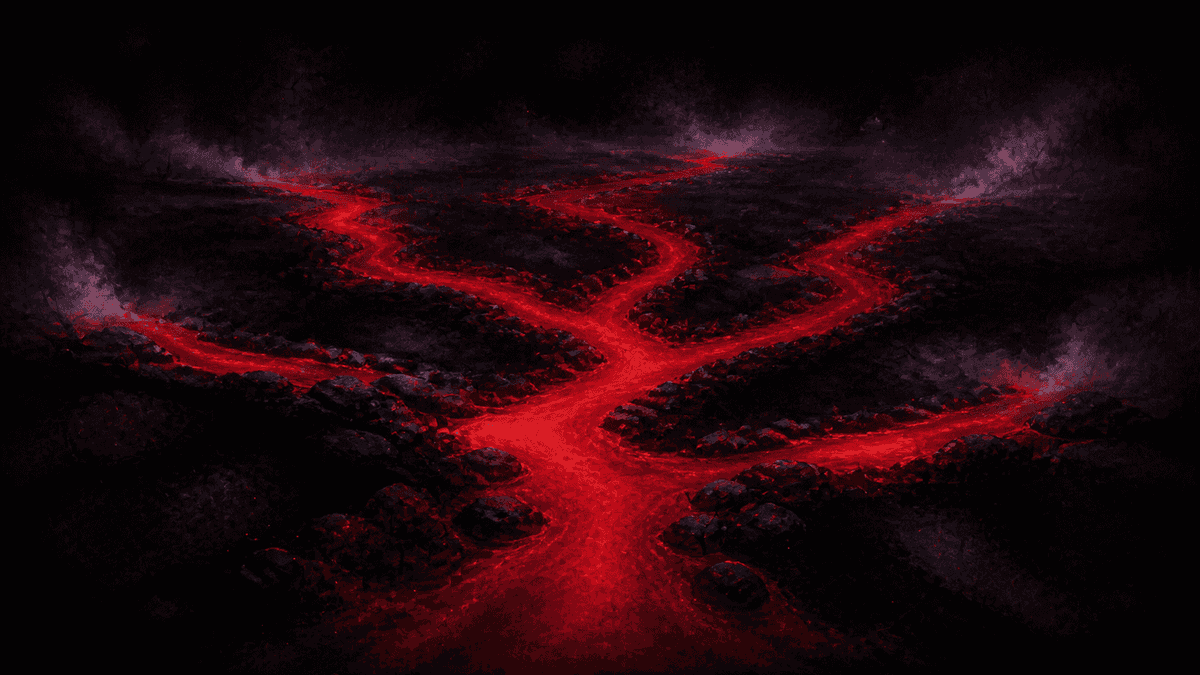
"What does Sai no Kawara mean?" It is heard as a metaphor for effort that goes unrewarded, yet few know its origin. This article explains the meaning and tradition of Sai no Kawara, drawing on its roots and sources.
The meaning of Sai no Kawara
Sai no Kawara is the riverbank of the dead where children who died young are said to go. It lies at the border of this world and the next, on the shore of the Sanzu River, where young souls are said to gather. See also The meaning of the Sanzu River.
There, the children try to build towers by stacking the riverbank's stones, one by one, to honor their parents. But — the continuation is the heart of this tradition.
The origin of the word "sai"
Several threads meet in the word sai. One ties it to the "Sai no Kami," the roadside guardian deities set at village borders and crossroads to ward off evil — the riverbank of the god who guards the border with the other world. Another sees the image of stacking stones into a tower as echoing a passage in the Lotus Sutra: that even a child who gathers sand in play to build a stupa plants a seed of buddhahood.
So Sai no Kawara is not a hell written down as such in a single scripture, but a tradition formed in Japan from several beliefs melting together.
Why the children stack stones
The children stack stones, it is said, to atone. To pass from the world before one's parents was counted among the grave "five sins" of grieving them, and as retribution the child must build towers of memorial stones.
The scene is carried to us today by the "Sai no Kawara Jizo Wasan," a devotional chant: "One stone for father, two for mother, three for home and kin and self." The bravery of stacking each stone with love for parents and family has moved listeners for ages.
The tower knocked down again and again
Yet when the children raise their towers, the demon jailers of hell appear. Saying the stacking is crooked, they strike the towers down with iron staves — so the tradition tells. Knocked down, the child stacks again. And again it is toppled. This endless repetition is the very center of the tradition.
That "stacking stones at Sai no Kawara" is used for effort that yields nothing, however hard one tries, comes from here.
Jizo's salvation
The tradition holds a sure salvation. Before the suffering children, the bodhisattva Jizo appears, drives off the demons, and shelters them in the hem of his robe, the wasan sings. "Think of me as your parent in the world beyond" — on a riverbank without parents, Jizo stands in a parent's place: this is the light of his mercy.
That Jizo has long been beloved as the guardian of children, enshrined along roadsides and at graves, is said to come from this story. See What is Jizo Bodhisattva.
The Sai no Kawara that survive today
Sai no Kawara was never confined to fantasy. At Mount Osore in Aomori, on Sado Island, and at desolate shores and caves across Japan, sacred stone riverbanks named "this is Sai no Kawara" still remain. People stack small stones there and offer pinwheels, mourning children who died young — giving unseen prayer a visible form through stacked stones.
Yurusen, and the riverbank
The Sanzu River flows through the world of the app "Yurusen" too. Datsueba, who strips the robes of those who cross at its bank, is one of the beings standing at the deepest part of the Wraith Codex.
Like stones stacked and knocked down, feelings with nowhere to go repeat again and again within the chest. Yurusen is your private place to give those repeating feelings a shape and quietly bind them into the ledger.
You can view Datsueba and the other wraiths on the Wraith Codex page.
FAQ
Frequently asked questions
Q.What does Sai no Kawara mean?
Sai no Kawara is the riverbank of the Sanzu River where children who died young are said to go. There, the children stack stones into towers to honor their parents, only for demons to knock them down. Rather than a hell set down in a single scripture, it is a tradition that grew in Japan from folk belief and devotional chants (wasan).
Q.Why do the children stack stones?
A child who died before their parents is said to bear the retribution of having grieved them — counted among the grave sins — and must build towers of memorial stones. They stack while chanting 'one for father, two for mother,' yet demons knock the towers down and they must begin again — a symbol of endless suffering.
Q.Is there no salvation at Sai no Kawara?
It is said that the bodhisattva Jizo appears to save and protect the suffering children, sheltering them in the hem of his robe. This is why Jizo has long been beloved as the guardian of children. 'Stacking stones at Sai no Kawara' is also used as a metaphor for unrewarded effort.
About the author
Katsuki Mitsumori三森 捷暉
CEO, SURISUTA K.K. / Operator of Doya Marke AI
Runs Doya Marke AI, a suite of practical AI services spanning content, ads, sales and HR, and hosts the YouTube channel 'SaaS wa Shinimasshen.' Creator and developer of Yurusen, an app for filing the people you could never forgive into a private ledger of judgment.
RELATED
Related reads
 Enma & Hell
'Heaven's Net Is Wide and Loose, Yet Nothing Slips Through' — Meaning, Origin, and the Wait
The proverb says heaven's net looks coarse-meshed yet never lets a wrongdoer escape. This piece covers its source in the Laozi, how it differs from inga ouhou, and where to put the feeling of waiting for a reckoning that will not come.
 Enma & Hell
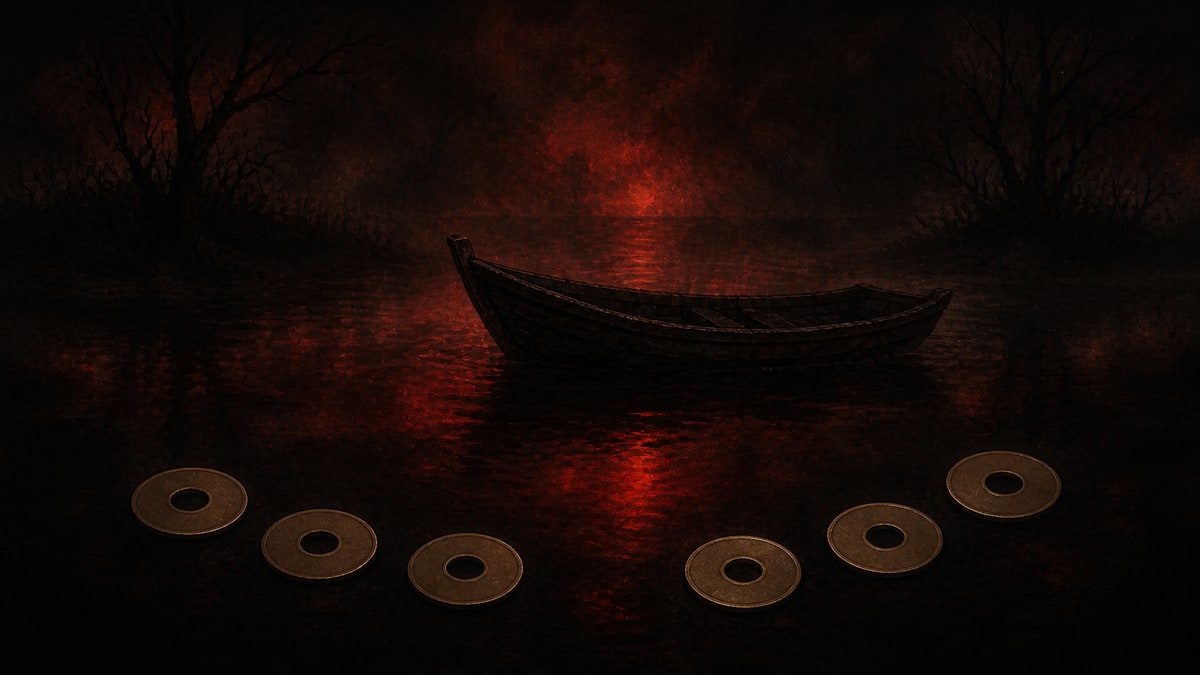
What the Six Coins Mean — the Toll for the Sanzu River and the Sanada Crest
The six coins are the toll placed with the dead for crossing the Sanzu River. This piece covers why the number is six (one for each of the six realms), the burial custom and its paper form today, and what the Sanada clan meant by putting the coins on their crest.
 Enma & Hell
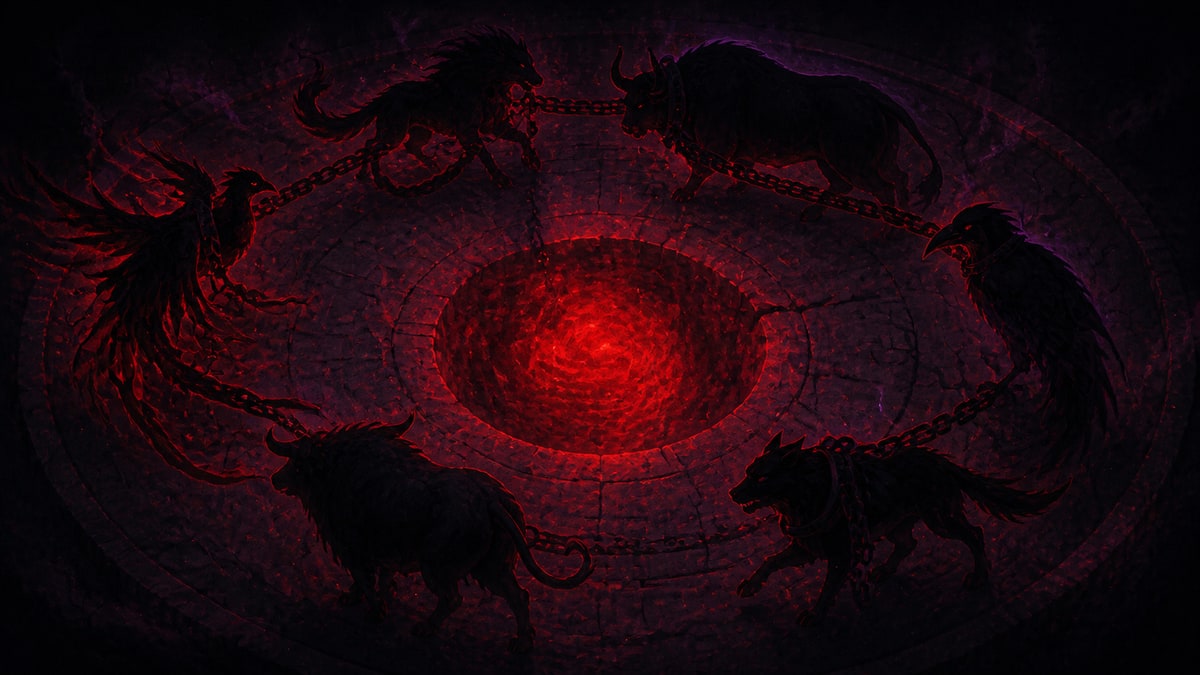
What Chikushodo Means — the Realm of Beasts, and the Weight of the Word 'Chikusho'
Chikushodo is the realm of the six where one is born as bird, beast, insect or fish, preying on one another and driven by others. This piece covers how it differs from the hungry-ghost and asura realms, why 'chikusho' became an insult, and what we can still see in it.