The Difference Between Hell and Paradise — Two Worlds Explained
What is the difference between hell and paradise? This piece explains the roots and making of hell, the world of suffering, and paradise, the Pure Land beyond the cycle of rebirth, how paradise differs from heaven, and what divides the two — with sources — then bridges to Yurusen.
By Katsuki Mitsumori
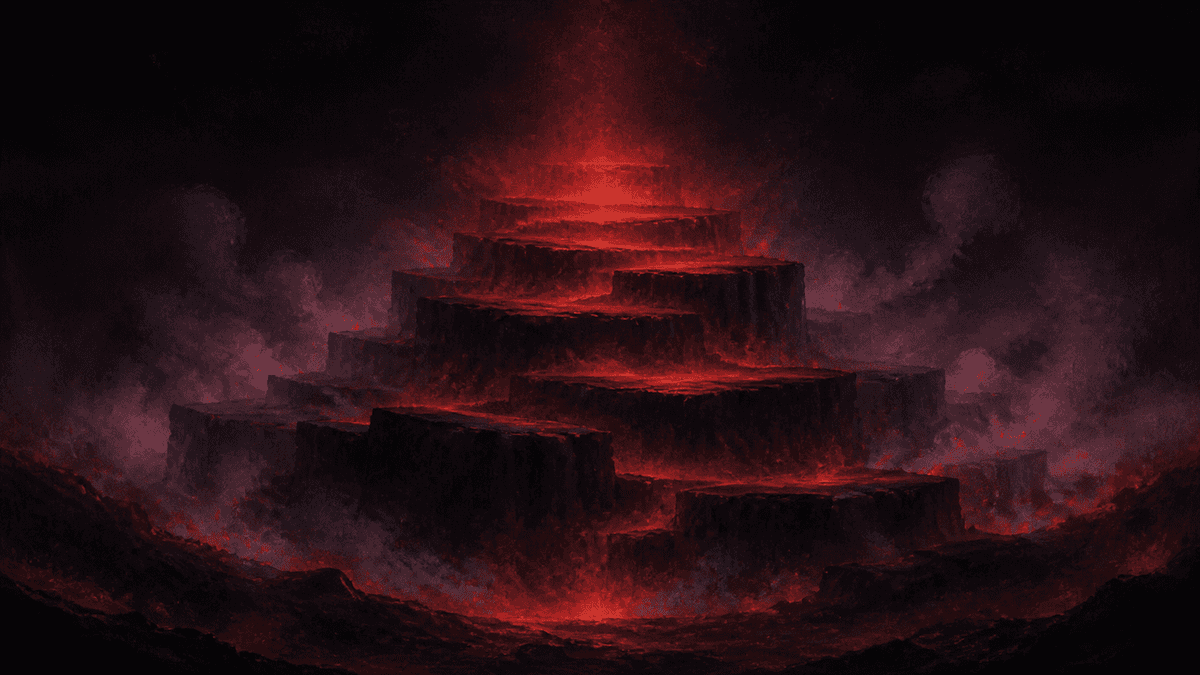
"What is the difference between hell and paradise?" Both are known as worlds after death, yet few can explain the difference correctly. This article explains the meaning of hell and paradise and what divides them, drawing on their roots and sources.
The difference at a glance
First, the essence. Hell is the most agonizing of the six realms of rebirth — a place where, even after tasting suffering to the full, one is eventually reborn into another world. Paradise is the Buddha's Pure Land beyond the cycle of rebirth itself; those who reach it are said never to return to the world of delusion. Inside the cycle, or outside it — this is the greatest difference between the two.
What hell is
Hell is the world where one receives the retribution of evil deeds and tastes many sufferings. Its name comes from the Sanskrit naraka, the source too of the Japanese word naraku ("the abyss"). In Buddhism it is the deepest and most agonizing of the six realms of rebirth.
The Japanese image of hell was shaped not only by Indian Buddhism but by the Chinese underworld belief that placed a realm of the dead beneath Mount Tai, and it reached Japan by the Nara period. There, judgment of one's deeds by Lord Enma is emphasized. Hell itself is not one place but is divided by the gravity of sin into layers such as the Eight Great Hells.
What paradise is
Paradise (the Pure Land) is the peaceful world without suffering. Properly it is the "Western Pure Land of Ultimate Bliss," the land governed by Amida Buddha. See What is the Pure Land.
Here a common misunderstanding must be cleared. Paradise is not "a place merely to take one's ease." The scriptures depict it as an ideal ground of practice — an environment free of suffering and delusion where one may study the Buddha's path with a settled heart and finally reach awakening. The bliss is not the goal but the stillness for going toward it.
Is paradise the same as heaven?
Paradise is often spoken of like "heaven," but its origin differs. Heaven belongs to worldviews such as Christianity's, a place to which one is received by God. Paradise is the Buddhist Pure Land of Amida Buddha.
More confusing still is the difference from the "heaven realm" of the six realms. That heaven is the most blissful world, but it lies inside the cycle of rebirth; when its lifespan ends, one falls again to another path. Paradise lies outside that cycle — not confusing the two matters greatly.
What divides the two
What divides hell and paradise has been held to be one's deeds and faith in life. The teaching varies by school, but in the Pure Land teaching, for example, by believing in Amida Buddha and reciting the nembutsu one is said to be reborn into the Pure Land. Pile up evil deeds and one falls to hell of itself; rely on the Buddha and one goes to the Pure Land — where one heads has been told as the outcome of how one lives.
Terror and peace, two mirrors
Hell and paradise are a contrast of terror and peace, and at once two mirrors quietly asking "how will you live now?" The dread of hell paintings was not only to warn people; it also threw into relief, from the far side, a longing for the peace of the Pure Land.
What Yurusen reflects — hell as a mirror
What the app "Yurusen" draws on is the world of "hell." The wraiths that appear at the end of judgment are depicted as the "types" of unforgivable people fallen into hell, and at their summit stands Lord Enma, who binds together the root of every ledger of judgment.
Reflecting hell is not for punishing anyone. To give shape to feelings with nowhere to go, shrink them to a manageable size, and quietly set them down — Yurusen is your private place for that.
You can view the wraiths fallen into hell on the Wraith Codex page.
FAQ
Frequently asked questions
Q.What is the difference between hell and paradise?
Hell is the world where one receives the retribution of evil deeds and tastes suffering. Paradise (the Pure Land) is the peaceful world without suffering. The greatest difference is that hell is the most agonizing of the six realms of rebirth, while paradise is taught to be a Buddha's Pure Land beyond the cycle of rebirth itself.
Q.Are paradise and heaven the same?
They are sometimes used with close meaning, but strictly they differ. Paradise (the Pure Land) refers to the Pure Land of Amida Buddha in Buddhism, differing in origin from the heaven of Christianity and others. It also differs from the 'heaven realm' of the six realms: that heaven is inside the cycle of rebirth, while paradise is outside it.
Q.How is one said to reach paradise?
The teaching varies by school, but in the Pure Land teaching, for example, it is said that by believing in Amida Buddha and reciting the nembutsu one can be reborn into the Pure Land. Where one goes has been said to change according to one's deeds and faith.
About the author
Katsuki Mitsumori三森 捷暉
CEO, SURISUTA K.K. / Operator of Doya Marke AI
Runs Doya Marke AI, a suite of practical AI services spanning content, ads, sales and HR, and hosts the YouTube channel 'SaaS wa Shinimasshen.' Creator and developer of Yurusen, an app for filing the people you could never forgive into a private ledger of judgment.
RELATED
Related reads
 Enma & Hell
'Heaven's Net Is Wide and Loose, Yet Nothing Slips Through' — Meaning, Origin, and the Wait
The proverb says heaven's net looks coarse-meshed yet never lets a wrongdoer escape. This piece covers its source in the Laozi, how it differs from inga ouhou, and where to put the feeling of waiting for a reckoning that will not come.
 Enma & Hell
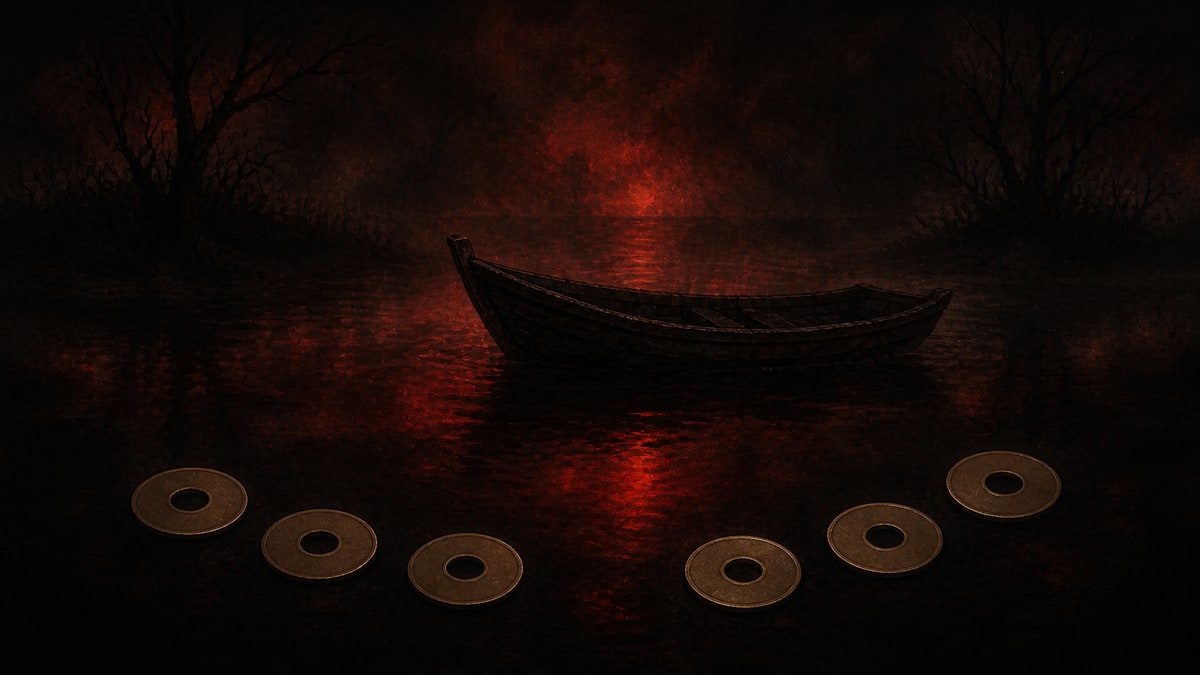
What the Six Coins Mean — the Toll for the Sanzu River and the Sanada Crest
The six coins are the toll placed with the dead for crossing the Sanzu River. This piece covers why the number is six (one for each of the six realms), the burial custom and its paper form today, and what the Sanada clan meant by putting the coins on their crest.
 Enma & Hell
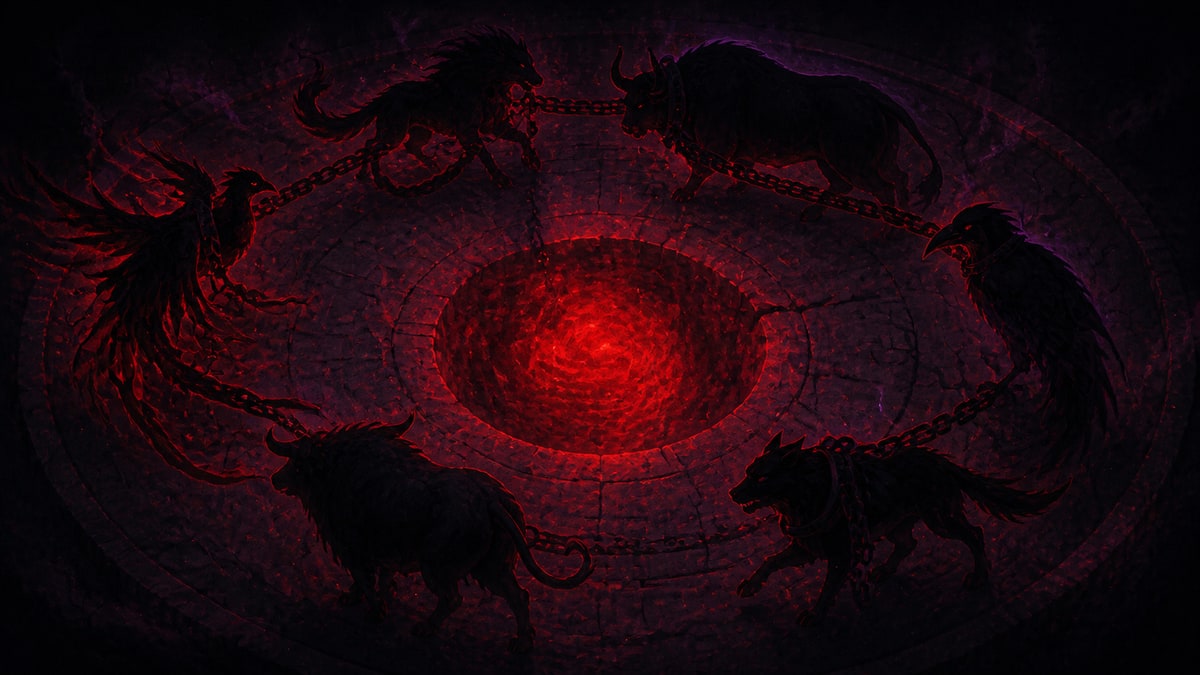
What Chikushodo Means — the Realm of Beasts, and the Weight of the Word 'Chikusho'
Chikushodo is the realm of the six where one is born as bird, beast, insect or fish, preying on one another and driven by others. This piece covers how it differs from the hungry-ghost and asura realms, why 'chikusho' became an insult, and what we can still see in it.